
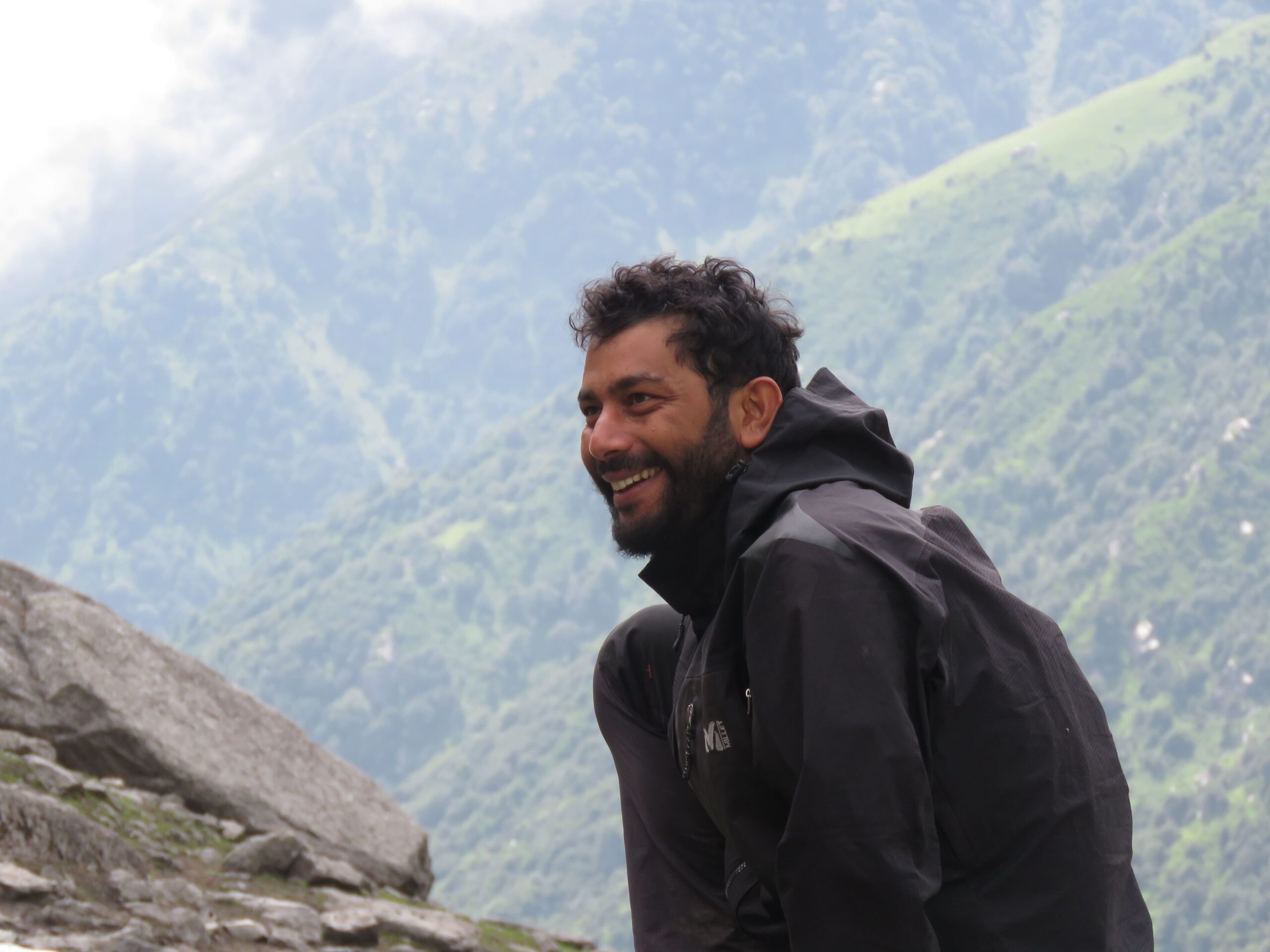
This is how my love for birds and nature took shape…
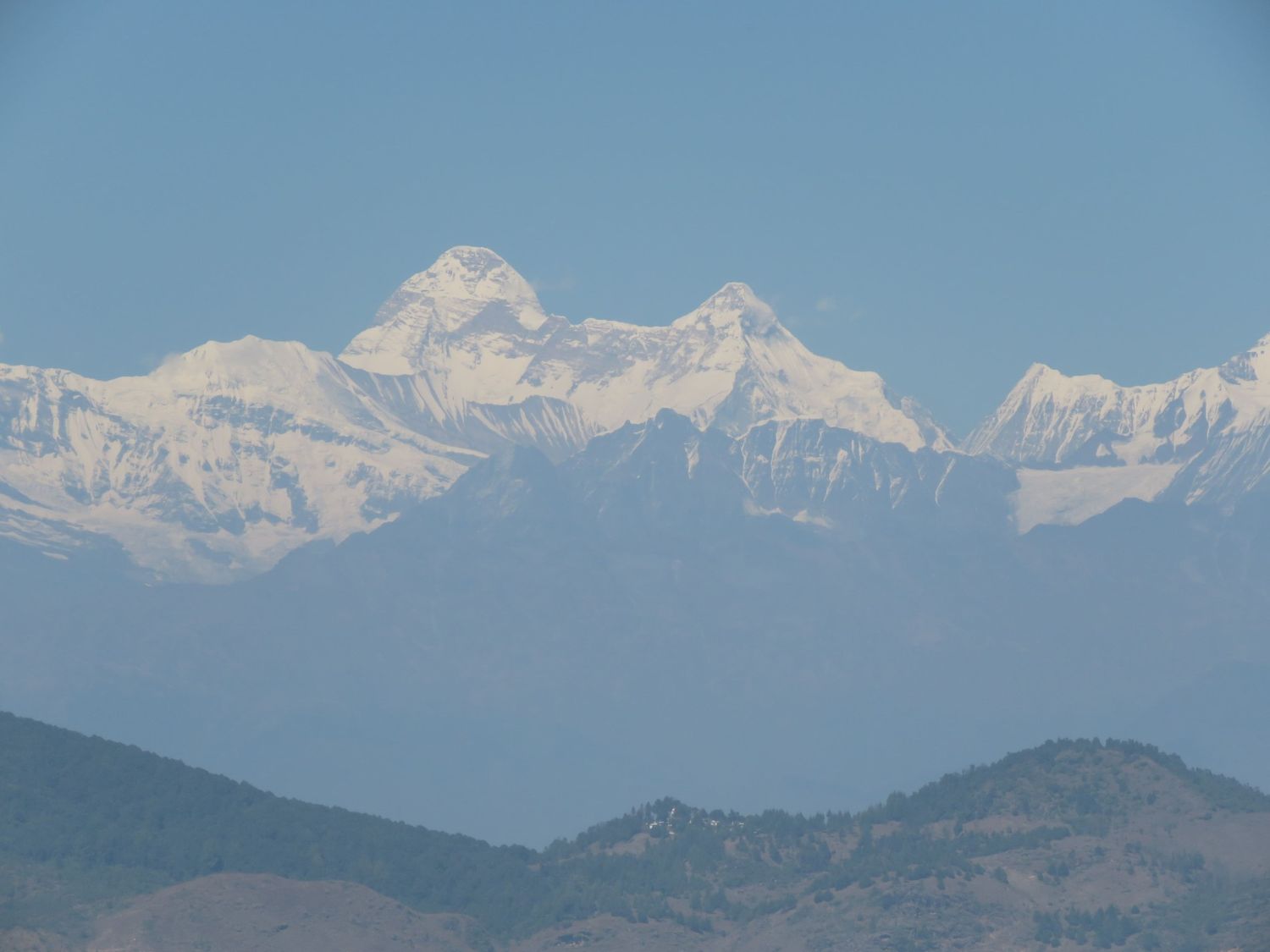 View of Mighty Nandadevi from my hometown, Pithoragarh
I hail from the hill district of Pithoragarh, Uttarakhand, where growing up amidst forests and panoramic views of the Panchachuli and Nanda-Sunanda peaks, birds quietly nurtured my lifelong fascination with wildlife. Childhood wanderings in search of kafal (bayberry), burans (Rhododendron), and hisalu (Himalayan raspberry) often led me deep into the woods with family and friends, unknowingly shaping my bond with nature. Traditional Kumaoni homes were thoughtfully designed with multiple small podium-shaped holes beneath sloping roofs that provided nesting spaces for house sparrows, which fascinated me most during those days.
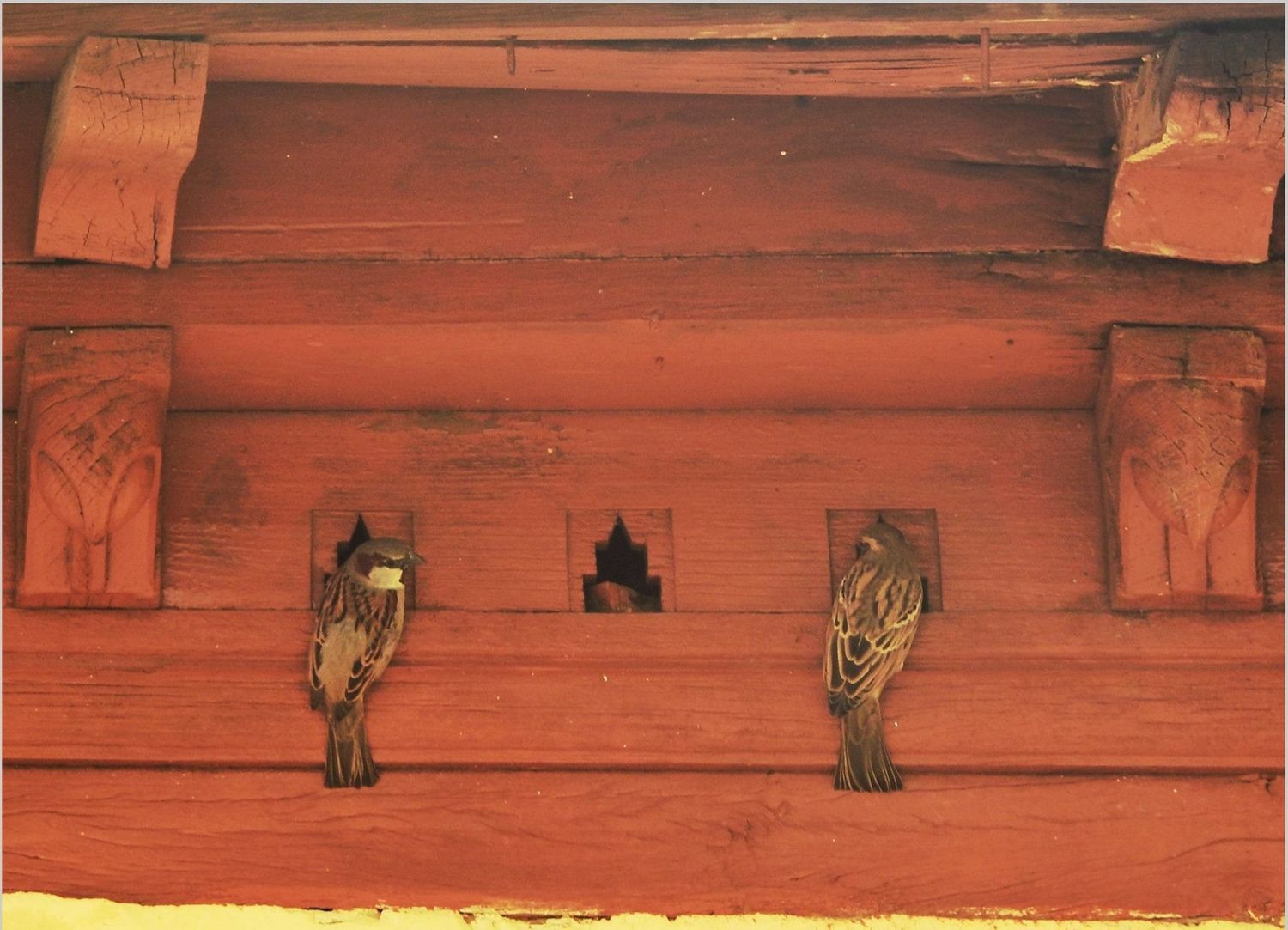 House sparrow nesting in a Traditional Kumaoni house (Photo credit: Manu Dafaali, Harela Society)
One particularly unforgettable bird encounter was with a Red-headed Vulture (Asian king vulture). Its prominent red head, piercing gaze, and outstretched wings threatened me when I inadvertently disturbed its feeding on a calf carcass at a secluded dense green patch in my village, locally known as “Bhootmala”, whose name translates loosely to “garland of ghosts”. The later stage of my pre-teen days also left some unfortunate memories, which I often reflect on with regret, when I occasionally carried a slingshot and aimed at white-eyes and warblers, unaware of the value of the lives around me. With time, I heeded my elders’ advice and stopped aiming birds with the slingshot.
During my graduation years, a few assignments on wildlife and biodiversity sparked a deeper curiosity, and I soon found myself drawn especially to birds, a passion that guided me toward pursuing a master’s degree in environmental sciences. The district library and The Hindu’s- Survey of the Environment were among the few eye-opening sources for me in those days when internet connection was limited in hilly areas. Early mentoring by Dr. J. C. Punetha and Manoj Matwal shaped my career in the field of wildlife. During my dissertation work, I still vividly remember my first encounter with the Satyr Tragopan at the edge of Rhododendron patch and the bugyals (alpine meadows) of Chiplakedar (Askot Wildlife Sanctuary). Its dazzling colours against the alpine grasslands felt like nature’s own masterpiece and sealed my connection with wildlife.
I was never a species-specific person- it was always the landscape that intrigued me most. My early work involved studying pheasants along with mammals in Jammu & Kashmir and Himachal Pradesh with the Wildlife Trust of India, particularly through call counts that demanded patience during pre-dawn field hours. My avian research journey truly found direction when I first visited Changthang as part of my research work at the Wildlife Institute of India. The onset of the breeding season, marked by trumpet calls and towering silhouettes of cranes against Ladakh’s stark landscape was impossible to ignore. The wetlands felt like shimmering oases in a cold desert, where waterbirds glided across turquoise waters like scenes from a fairy tale. It was there that I first grasped the extraordinary journeys these birds undertake to reach such remote breeding grounds. Overwhelmed, yet inspired by the vastness of the landscape and scattered wetlands, I spent nearly a year refining my field strategies – a formative phase that transformed curiosity into purpose and shaped my commitment to waterbird and wetland-related study.
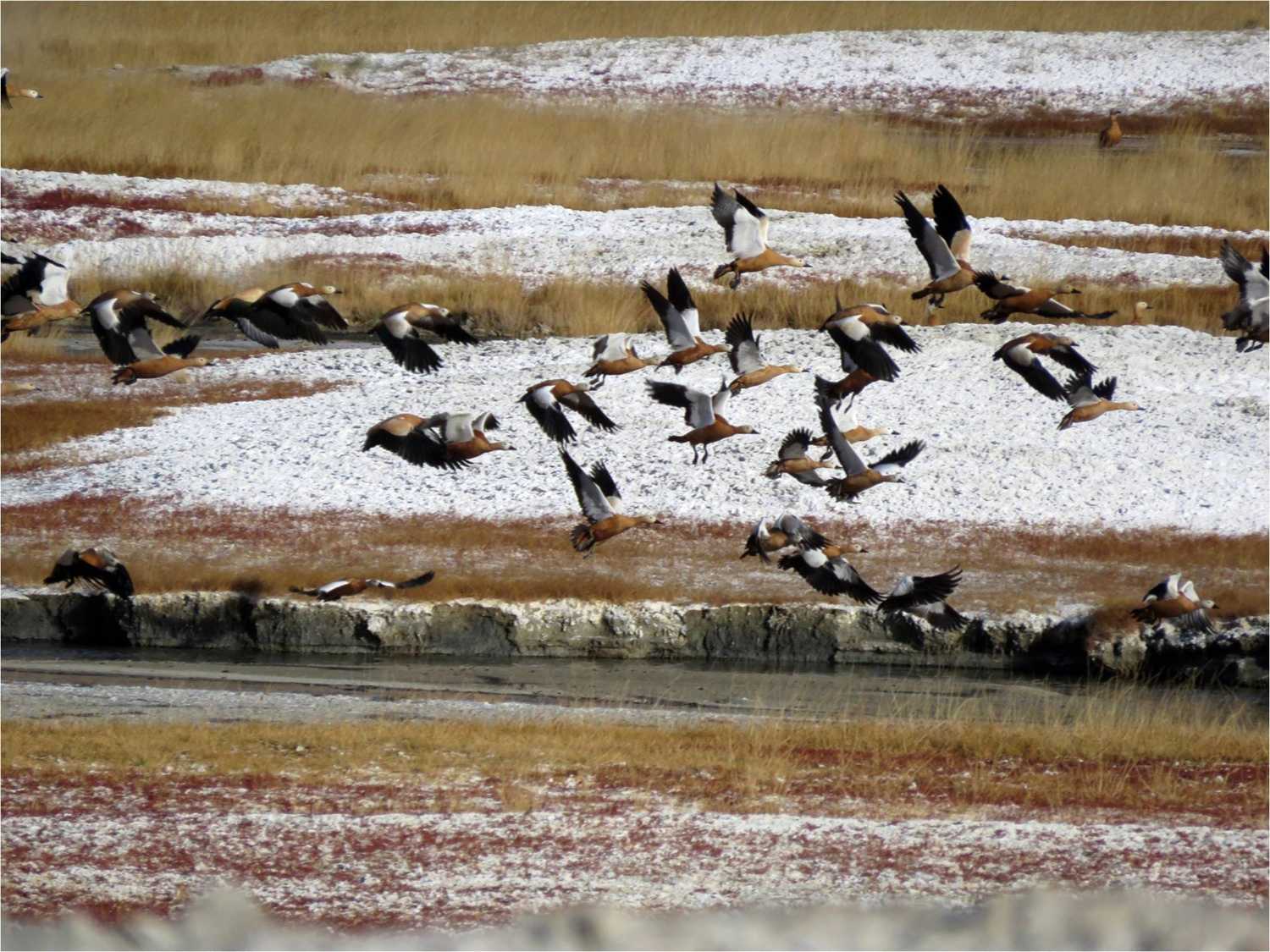 Ruddy shelduck, one of the most widely distributed breeding waterbirds in the Changthang Region
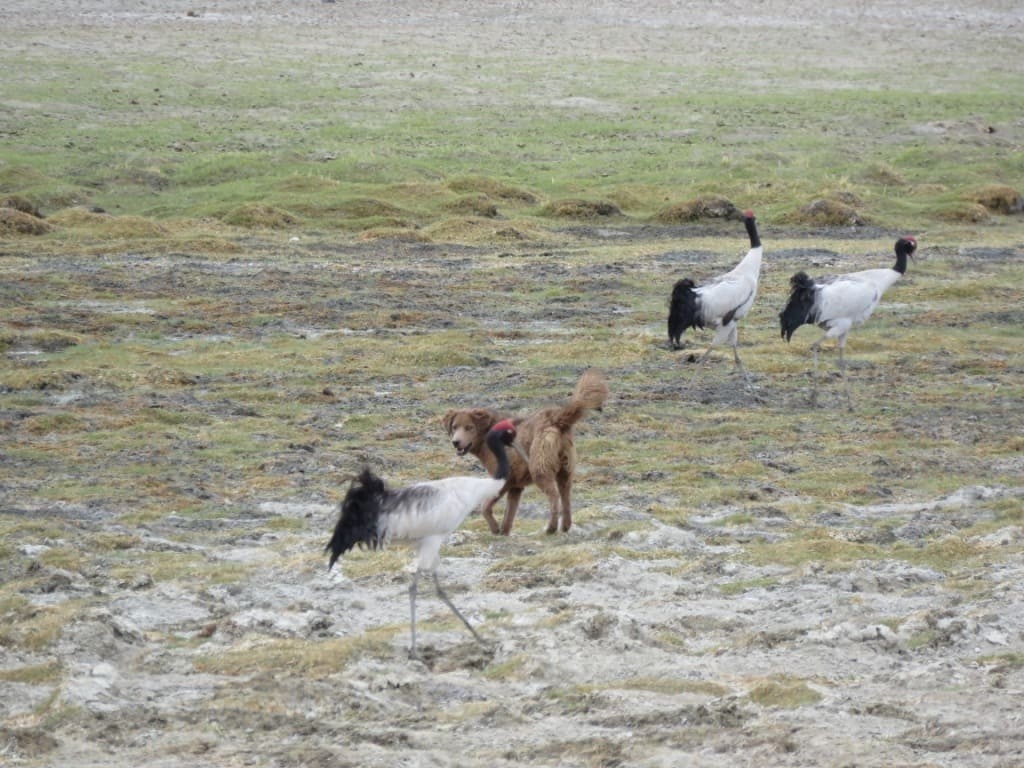 A tense encounter- Free-ranging dog and black-necked crane
Currently, I am working as a Project Scientist at the Wildlife Institute of India, where I monitor aquatic and semi-aquatic fauna across rivers and wetlands in the Ganga River Basin under a project funded by the National Mission for Clean Ganga (NMCG). In addition to field research, I actively engage in capacity building programmes of the project, training stakeholders from colleges and universities, forest, irrigation, and veterinary departments, as well as community members, particularly panchayat representatives and Ganga Praharis (volunteers). This work offers a unique opportunity to collaborate closely with local communities, bridging science and grassroots conservation to strengthen riverine ecosystem management.
I love what I do because…
Undoubtedly, fieldwork remains the most rewarding aspect of my professional journey, particularly in the Himalayan landscapes. Engaging with local communities, especially agro-pastoralists and village elders, has been both enriching and formative. Their perspectives on nature, land use, and wildlife management consistently offer valuable insights that complement scientific understanding. The depth of their natural history knowledge, shaped through generations of lived experience, often proves indispensable while navigating challenging terrains and field conditions. Moreover, exposure to diverse cultures and belief systems has broadened my worldview, fostering adaptability, humility, and deeper ecological sensitivity. These interactions not only strengthen my research practice but also reinforce the importance of community-based conservation approaches in sustaining resilient socio-ecological systems.
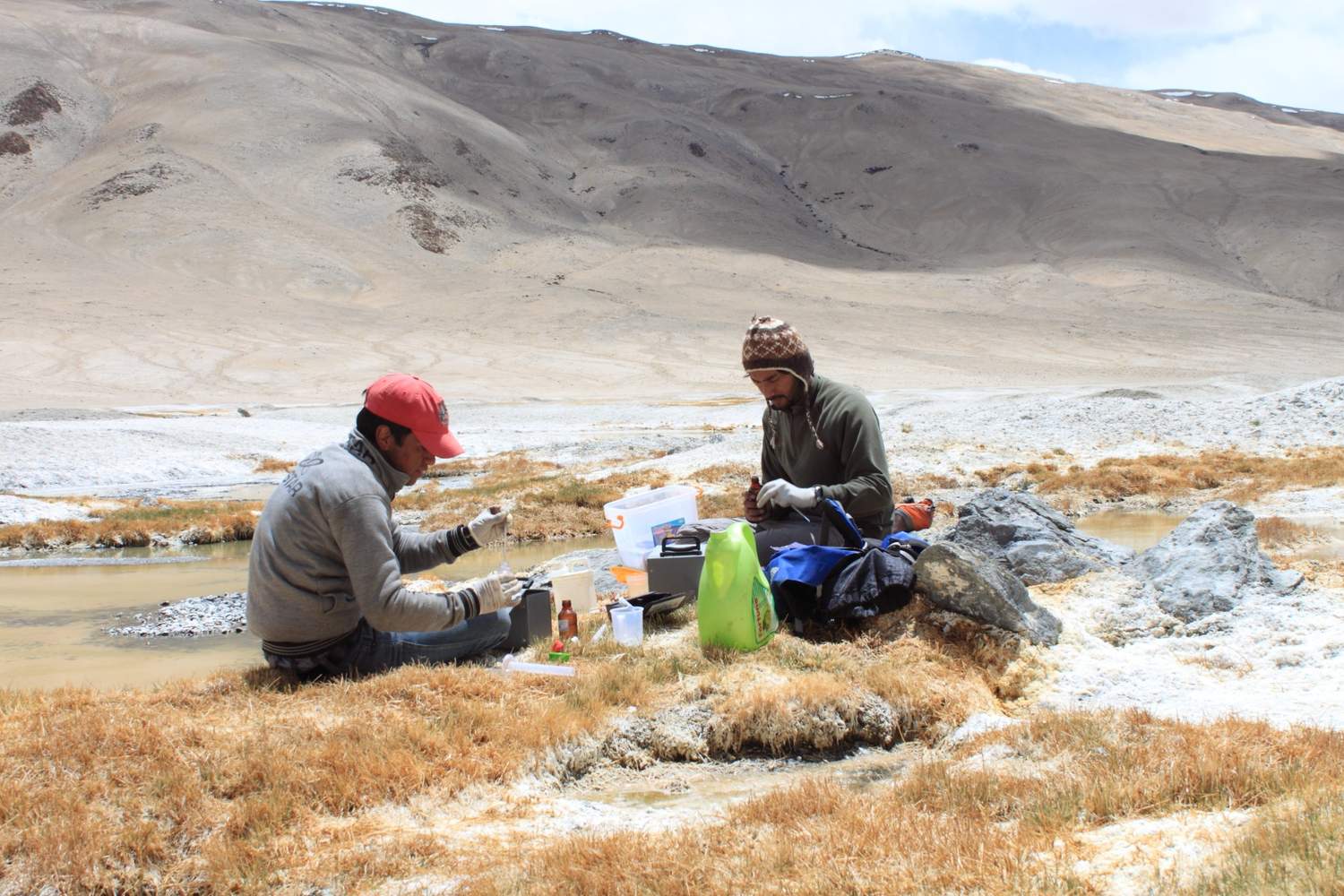 Collecting basic water parameters at Puga wetland with Rigzin Tamchos
Challenges I’ve faced…
Much of my fieldwork has been conducted in high-altitude and border regions, where routine research activities are shaped by complex security protocols, multiple permit requirements, and restricted access to certain landscapes. These administrative processes, though essential, often demand patience and careful planning. Logistical challenges were equally significant, particularly in remote areas such as Arunachal Pradesh, where limited connectivity and supply chains tested both endurance and adaptability. ‘Unfriendly’ interactions with sand miners during boat surveys of the Yamuna and other rivers were also challenging, considering personal safety. Short field assignments in the Kashmir valley also came with their own social and operational challenges, especially while working as an outsider. One of the most formative experiences occurred in the Kiangdom area of Changthang, where I remained stranded for nearly three days after our 4×4 vehicle became immobilized in mud, a moment that brought the realities of remoteness and logistical vulnerability into sharp focus. In earlier years, limited communication networks further compounded such situations, making field preparedness, flexibility, and teamwork essential to successful research in these extreme environments.
My advice to young researchers is…
Birds are endlessly fascinating, and my advice to emerging researchers is to spend meaningful time in the field and communicate your findings effectively to both scientific and general audiences through clear, engaging writing in the form of scientific papers and popular articles. Always respect local people and their culture. Make sure that you adhere to local rules and try to understand their taboos. Interaction with elders is always insightful, so engage with them. Most importantly, acknowledge their contribution in your work.
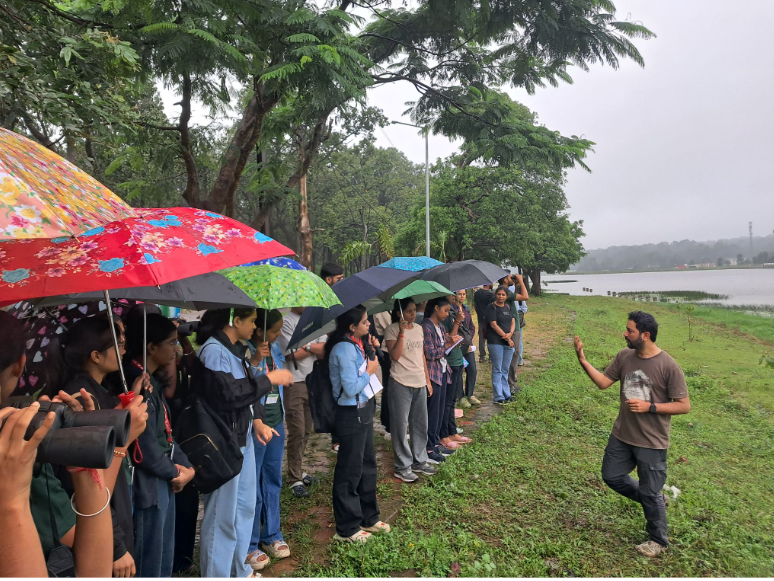 Not all classrooms have four walls- Anonymous (Photo credit: Mohd. Danish Kaleem)
Apart from these, stepping away from social media during fieldwork can be deeply refreshing. Solitude sharpens observation, and daily field notes, especially at sunset viewed from a tent, become both restorative and invaluable for future reference. Record small, yet vivid details, whether ecological observations, weather conditions, or even memorable encounters with people. For researchers in developing countries like India, I strongly encourage choosing studies that directly address conservation priorities or management gaps. With limited resources and mounting environmental challenges, it is essential that our work contributes meaningfully to conservation outcomes, particularly in the most populous country with extraordinary biodiversity.
Neeraj Mahar, PhD
Project Scientist, Wildlife Institute of India
[email protected]
Twitter
Instagram
ORCID ID: https://orcid.org/0000-0001-8746-899X
Great work Neeraj & all the best for yr future endeavours. Take care.
Very inspiring journey thank you for sharing as researcher we learn with so much about nature hope to see many more students taking conservation as career
Very insightful and inspiring, proud of you Nikki. Bhukki.
Glad to read your fascinating journey
Insightful and Inspiring, Proud of you Nikki. Bhukki