Birds have marked many significant moments in my life, but one of the most memorable comes from a field season studying owls. At the time, I was working with a changing group of interns; essentially anyone available who was interested in joining night surveys. It was during one of these fateful nights that I met my wife for the first time. Looking back, I realize that several small coincidences had to line up for that night to happen at all. She decided to tag along, even though owls were not part of her PhD work. At the time, it felt ordinary, but it remains one of those evenings we still talk about, and in many ways, it captures how my life has been shaped by ecology and birds in ways that extend far beyond science itself.
This is how my love for birds and nature took shape…
There were several defining moments very early on that sparked a connection with birds and nature. It all started at my grandparents’ home in Bombay, where I spent the formative years of my life. My grandmother would place rice on the windowsill for the crows, and would wait for them to take their first peck before we would sit down to eat. Before I could articulate it, I realized that they were honoured guests. I learned to revere birds before I learned to identify them. From a very young age, my parents fostered in me a deep appreciation for nature and wildlife and gave me early exposure to the natural world. Cut to a few years later, in Bengaluru, a Rose-ringed Parakeet (Psittacula krameri) arrived at our balcony one day and ate some green chillies we left out for it. For years after that day, it returned frequently and even got comfortable enough to fly around inside our house and accept chillies directly from our hands. As a child, to be recognized by a wild creature in that way felt magical.
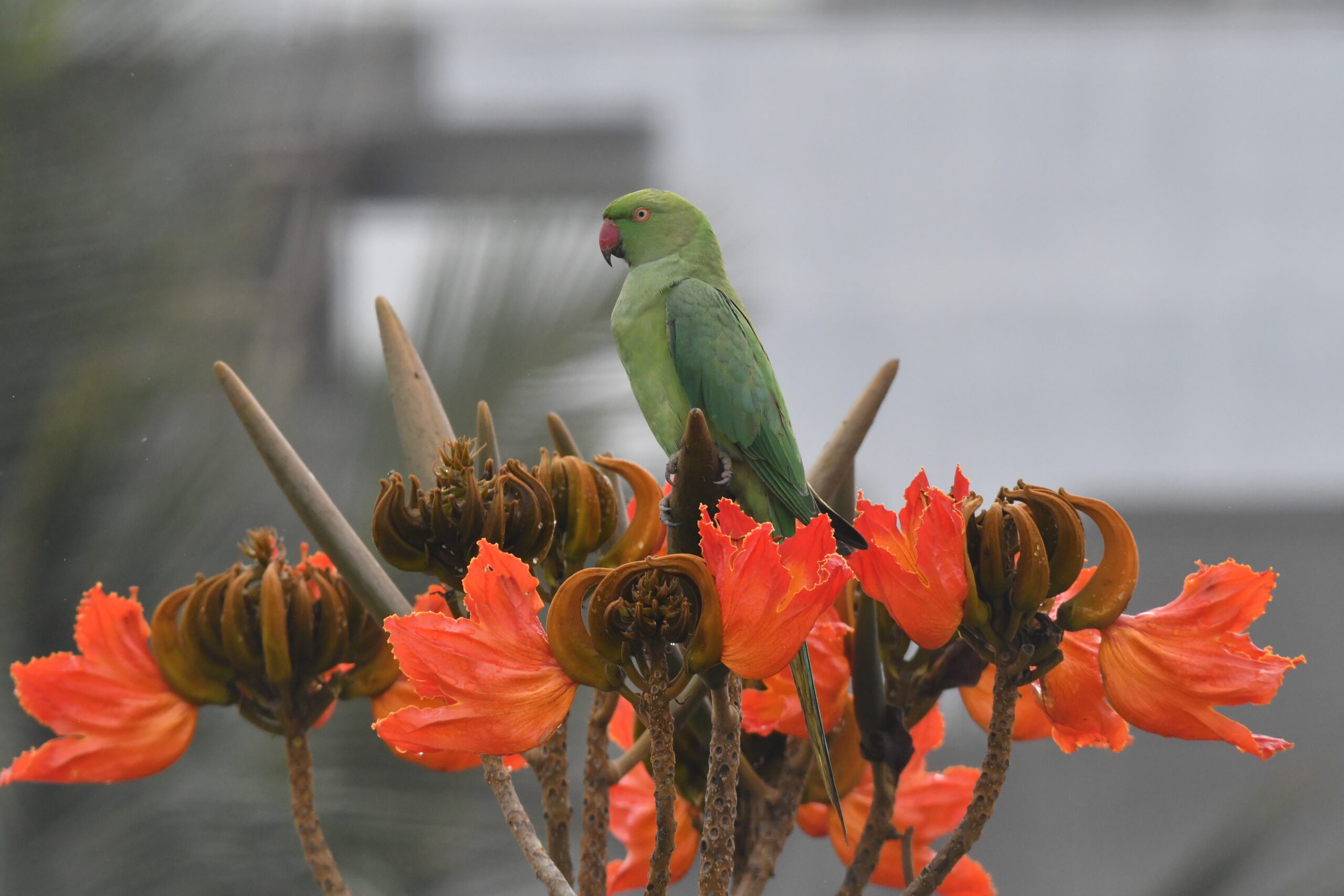 Rose-ringed Parakeet (Photo credits: Thijs Horst)
I always just wanted to and loved being around birds, observing them and learning about them. A field guide and a pair of binoculars are all one needs to get started. However, it wasn’t until my Master’s degree at the University of Groningen, Netherlands that this interest was translated into scientific research. I worked with Dr. Marion Nicolaus and Dr. Christiaan Both, and my thesis focused on aggression in European Pied Flycatchers (Ficedula hypoleuca), a project that brought together ornithology, animal personality research, and migration ecology. It was through this work that I was introduced to many core concepts in ecology, particularly how individual behaviour scales up to population-level processes. It also highlighted the importance of long-term monitoring and understanding species within their full ecological context for effective conservation.
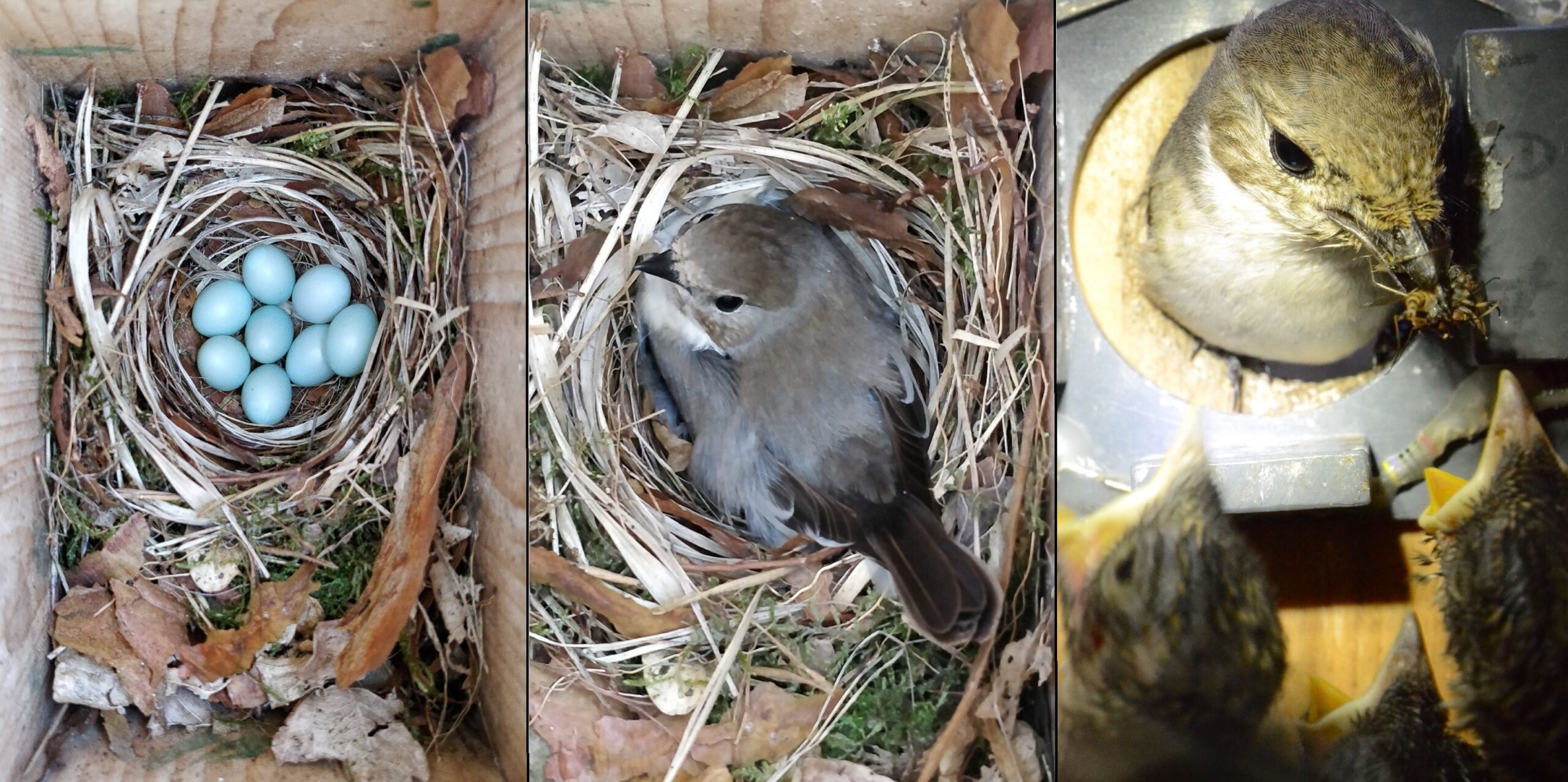 Images from the European Pied Flycatcher nestbox monitoring project
After my Master’s, I worked with Dr. T. Ganesh at the Ashoka Trust for Research in Ecology and the Environment on a project on owls in Tirunelveli, southern India. Owls are a useful system for studying human impacts on landscapes. They are long-lived, use diverse habitats, and as apex predators, are sensitive to changes in agricultural and urban environments. Owls are very charismatic but difficult to study because they are quiet, cryptic, and mostly active at night. To detect them, we often use a simple but effective method of broadcasting their calls through a loudspeaker after dark and listening for their responses from the landscape.
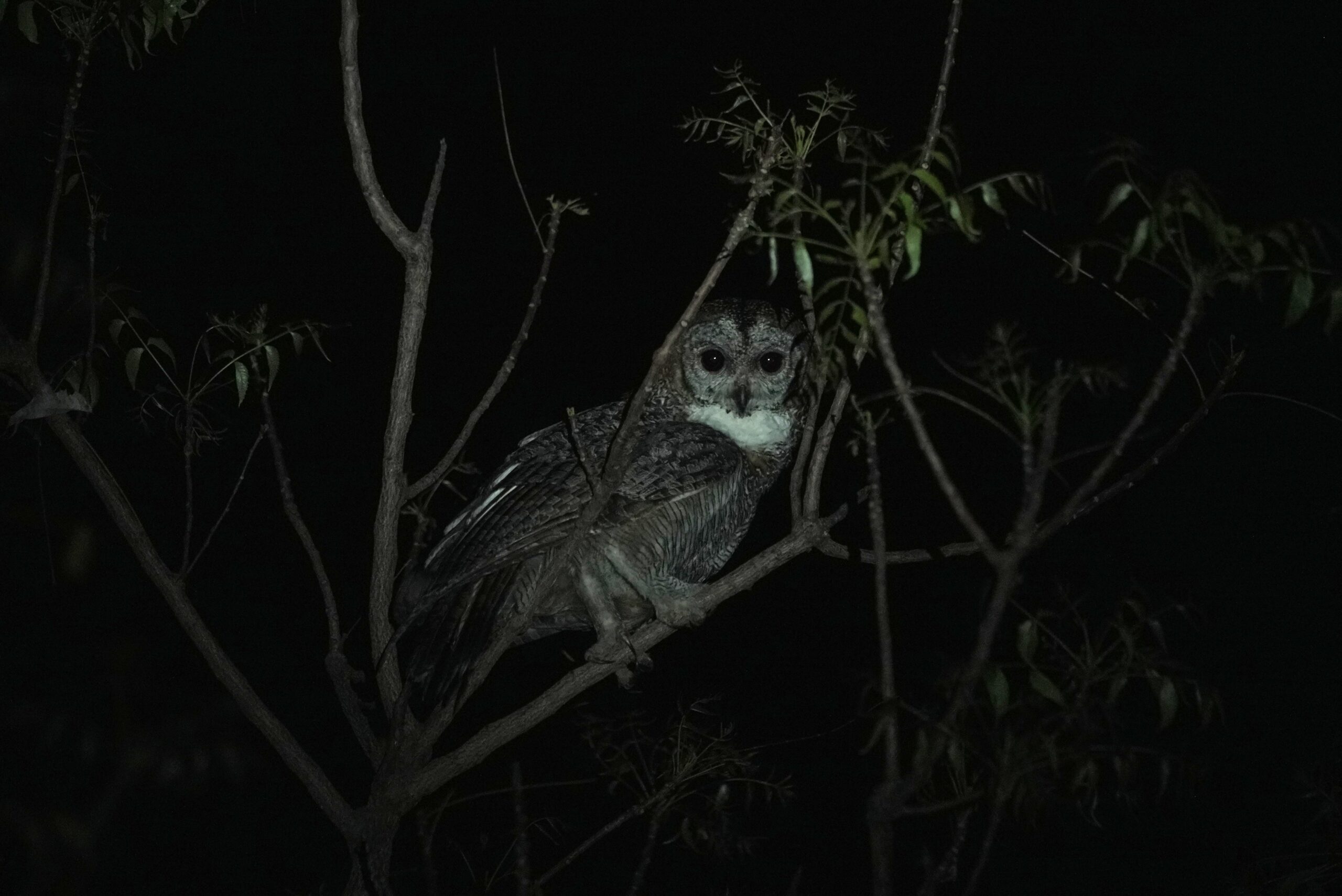 A curious Mottled Wood-Owl (Strix ocellata) investigating the source of the broadcast
I’m currently a PhD student at the Czech University of Life Sciences in Prague. My work focuses on tree-insect interactions in the context of biological invasions. It’s a shift in system, but still very much rooted in the same ecological questions of how species interact, adapt, and reshape the environments they move into. Although my PhD research is not directly on birds, I continue to work with bird data from earlier projects, and I have ongoing analyses and publications in preparation. That, to me, is one of the most rewarding aspects of ecology. Our questions don’t always end when a project ends. Ecologists are not defined by a single organism or a single thread of inquiry. We often carry multiple lines of work in parallel, all connected by a shared curiosity about how living systems function and change.
I love what I do because:
What I like most about studying birds is how naturally it sits at the intersection of many different disciplines. To understand birds, we draw on many fields at once. Statistics to find patterns in complex data, acoustics to study calls and songs, and spatial ecology to track movement and migration. We also use physiology, biochemistry, epidemiology, and even social sciences to understand how birds function, how diseases spread, and how human decisions shape their survival. It is inherently interdisciplinary with multiple points of entry. This also means we get to collaborate with people from very different disciplines, and each brings useful tools to help us understand these ecological systems. That diversity of perspectives is necessary and welcome.
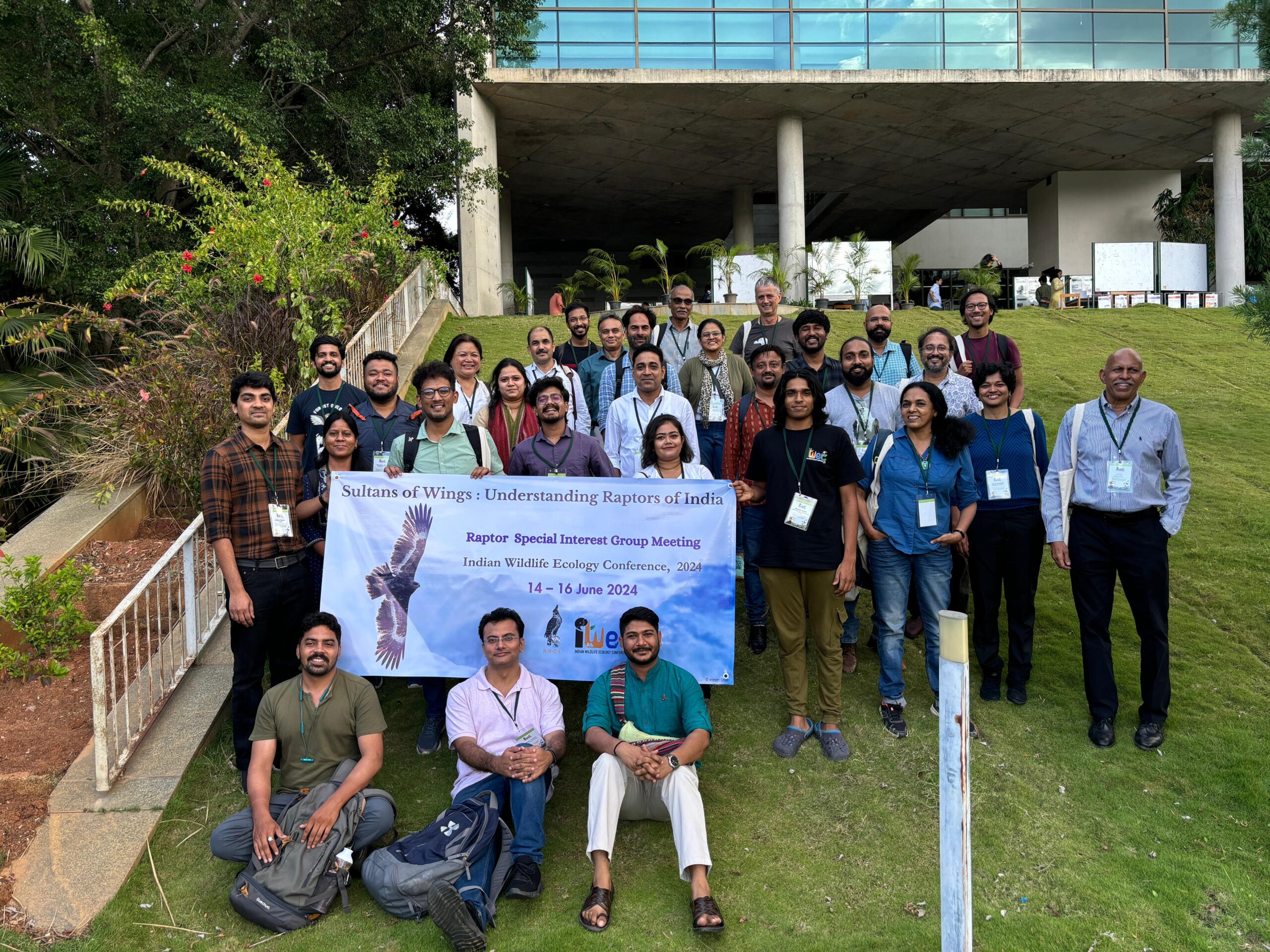 Organizers and participants of the Raptor Special Interest Group meeting at the Indian Wildlife Ecology Conference (IWEC) 2024
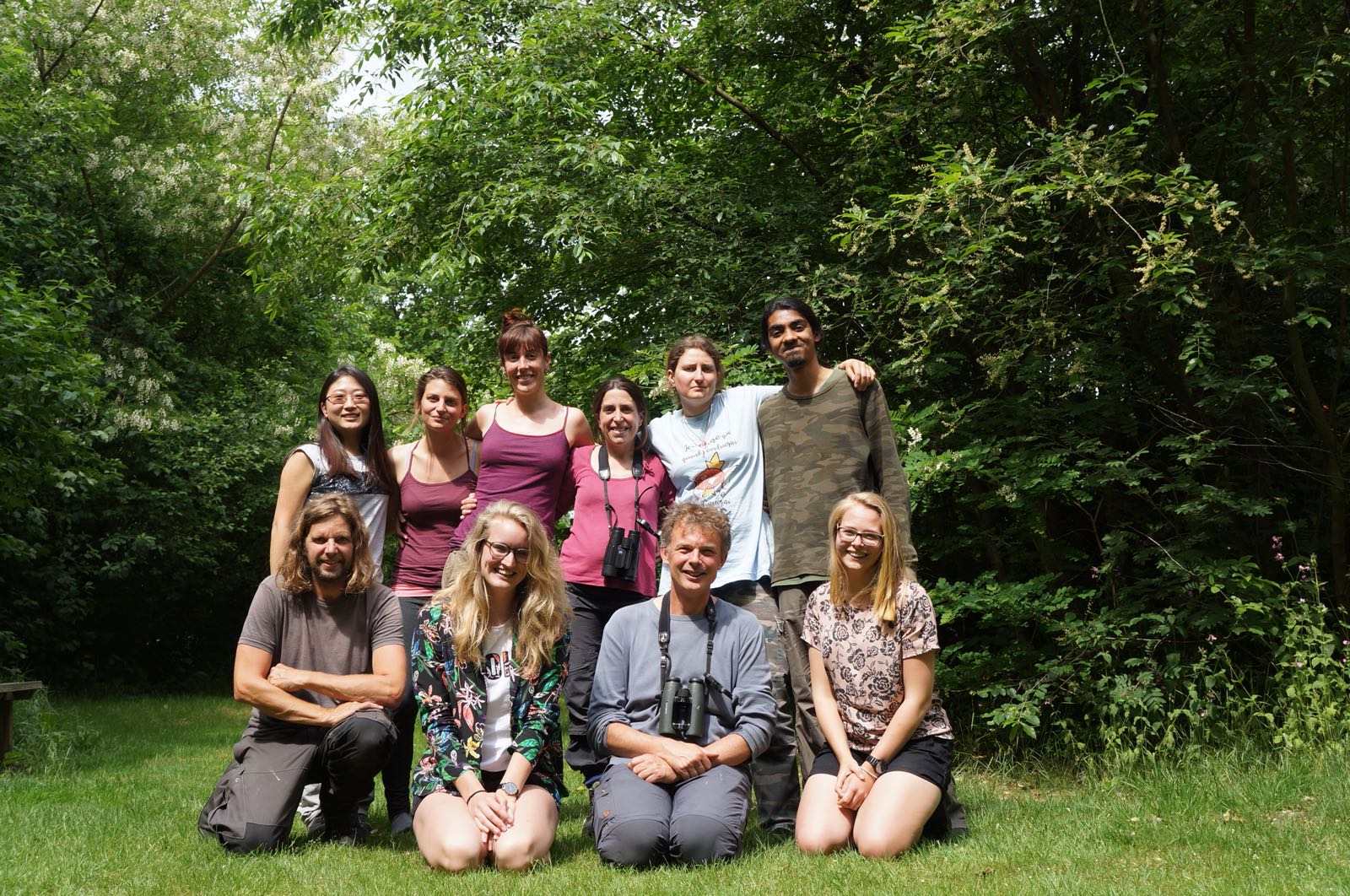 Pied flycatcher monitoring team, University of Groningen, Netherlands
Challenges I have faced..
Natural systems are unpredictable, so it’s important to be patient and flexible when working with them. I remember during my Master’s, I was scheduled to begin fieldwork in mid-March, but the migratory flycatchers didn’t arrive until mid-April, so we simply had to wait. One thing you learn quickly is that natural processes don’t care about weekends, public holidays, or grant deadlines. Weather can change plans overnight, access to sites can suddenly become difficult, and even established protocols sometimes need to be improvised. You can plan everything meticulously on paper, but in the field, you ultimately work on ecological time, not human time, and adapting to that rhythm becomes part of the job.
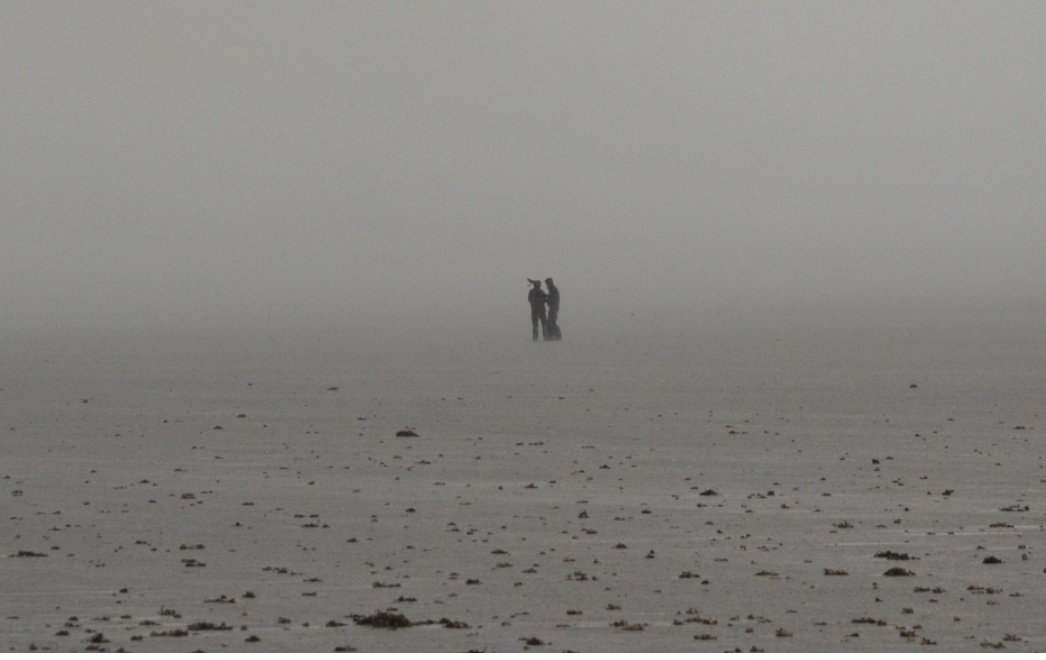 Looking for oystercatchers in a hailstorm! Schiermonikoog, Netherlands in October. (Photo credits: James Skinkis)
My advice to young researchers is..
My advice to young researchers in ornithology is simple, based on what has helped me most: take your chances. Send that email, even if you’re unsure you’ll get a reply. Be present and don’t hesitate to engage with people already working with the topic you’re interested in. Internships and short-term projects can be very valuable for aspiring ornithologists. They give you a real sense of what different kinds of work involve and help you figure out what resonates with you. It’s a small and interconnected field, so relationships and exposure go a long way.
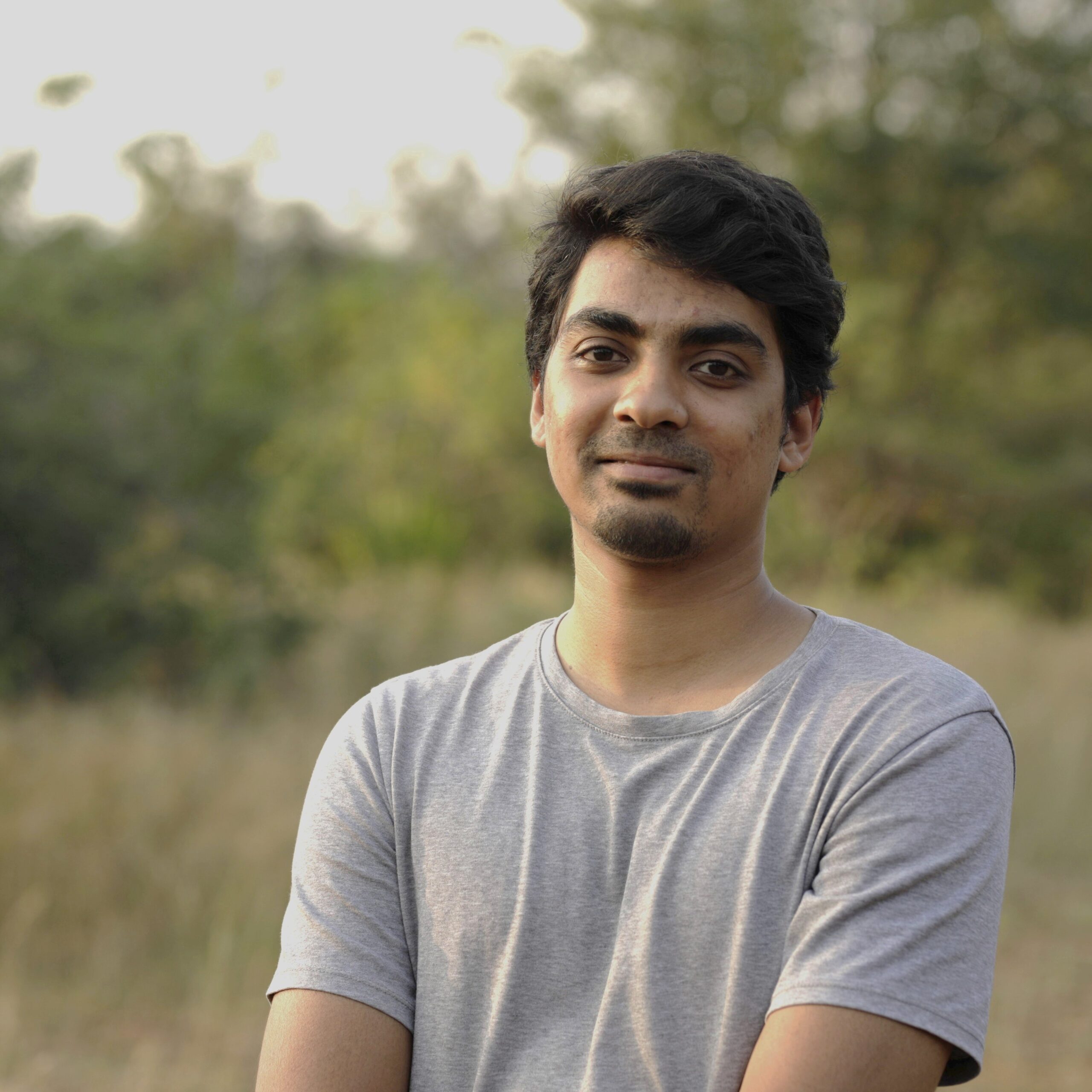
Aditya Ganesh
PhD student
Czech University of Life Sciences, Prague
ResearchGate
LinkedIn
Happy and proud to read about your progress carved out systematically right from childhood.
All the best to you. May you carve out a niche for your self with lovely things for mankind