
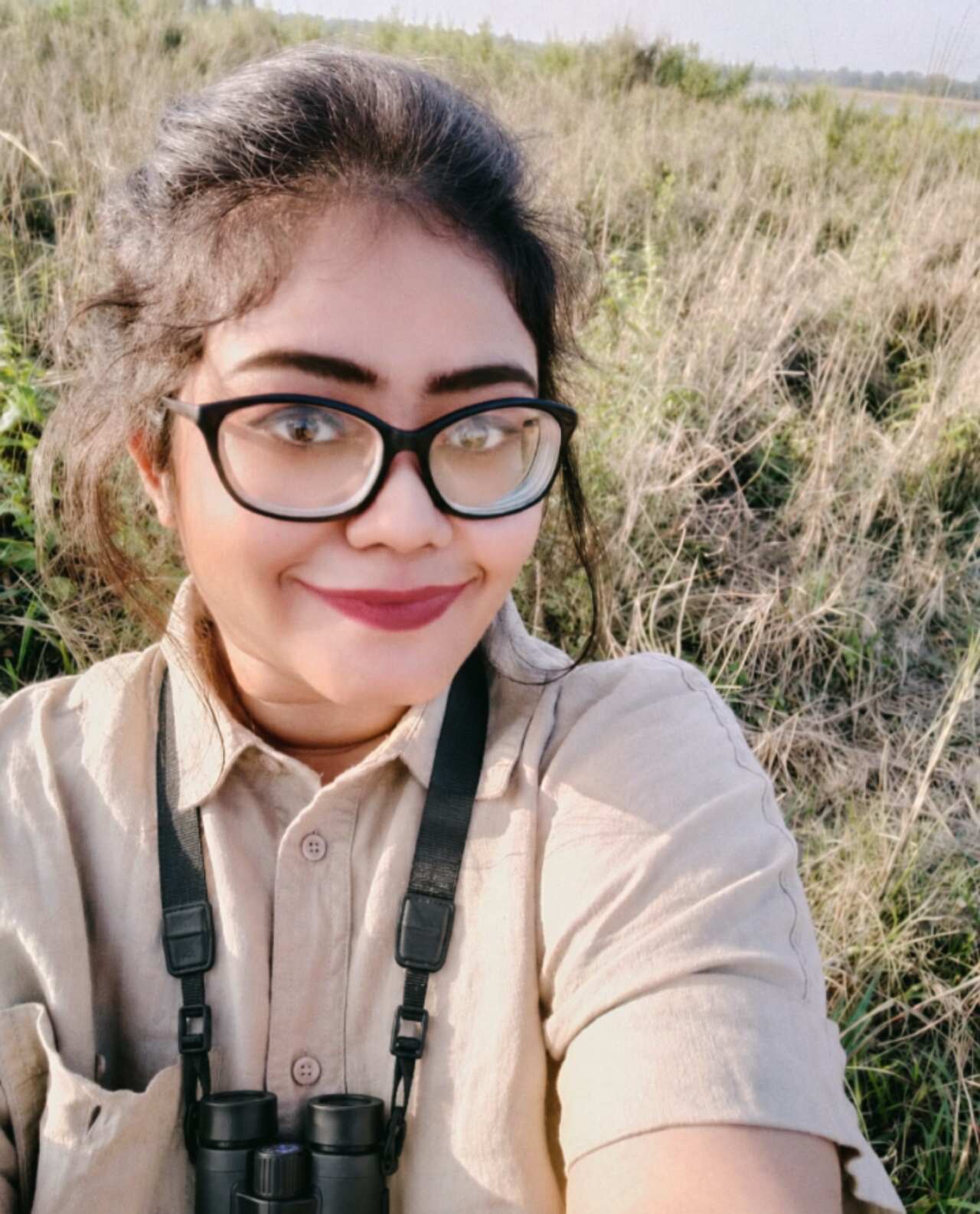
It was one midnight after New Year’s, and the peri-urbanscape of Kodigehalli, Bengaluru, was in pin-drop silence. Not a single leaf stirred. I was standing on my third-floor rooftop terrace, happily tracing the constellation Orion in the sky near a crescent moon, enjoying the rare quiet. Suddenly, from the corner of my right eye, I caught a soundless movement. Time completely stood still. A huge Eastern Barn Owl (Tyto javanica) flew out from right below the parapet, gliding over my head so closely that we almost collided. Neither of us was prepared for that face-to-face encounter.
In that split second, it was almost a pure silhouette, but the light was just right enough for me to make out the ethereal outline of its warm, beige body, the gentle brown speckles on its outspread wings, and that almost comical white, heart-shaped face. And then, just like magic, it vanished into the darkness. It took me a good fifteen minutes to recover from the sheer surrealism of the experience; Orion was completely forgotten. That is the magic of what I call the “owling hour”- the moment the daytime chorus fades and the city’s secret after-hours community wakes up. And let me assure you- the thrill of spotting an urban barn owl for the forty-second time is just as riveting as the first.
This is how my love for birds and nature took shape…
If you ask me how I ended up doing what I do, my usual reply is, “In the mornings I chased the butterflies, and at night I let the owls lead the way!” I don’t think there was a single dramatic moment where I “discovered” nature. It was simply there, woven into everyday life.
I grew up between Shillong and Guwahati at a time when both cities were a little wilder than they are today. The architecture was old-style Assam roofed houses with a lot of cosy nooks and roof crevices where synanthropic wildlife lived right alongside us. Fruit bats visited our jackfruit and guava trees. Barbets and woodpeckers pranced around, camouflaging with the tree leaves and bark, making sudden cameos thanks to their bright plumage. Butterflies of all sizes and colours drifted through our wild back gardens. The neighbourhood dogs chased mongooses who were after the checkered keelbacks in the outdoor drains. Black-crowned Night Herons, Little Egrets and Cattle Egrets built nests in our mango tree, occasionally dropping their hatchlings, which my family and I helped go back up before any of our cats or dogs discovered them.
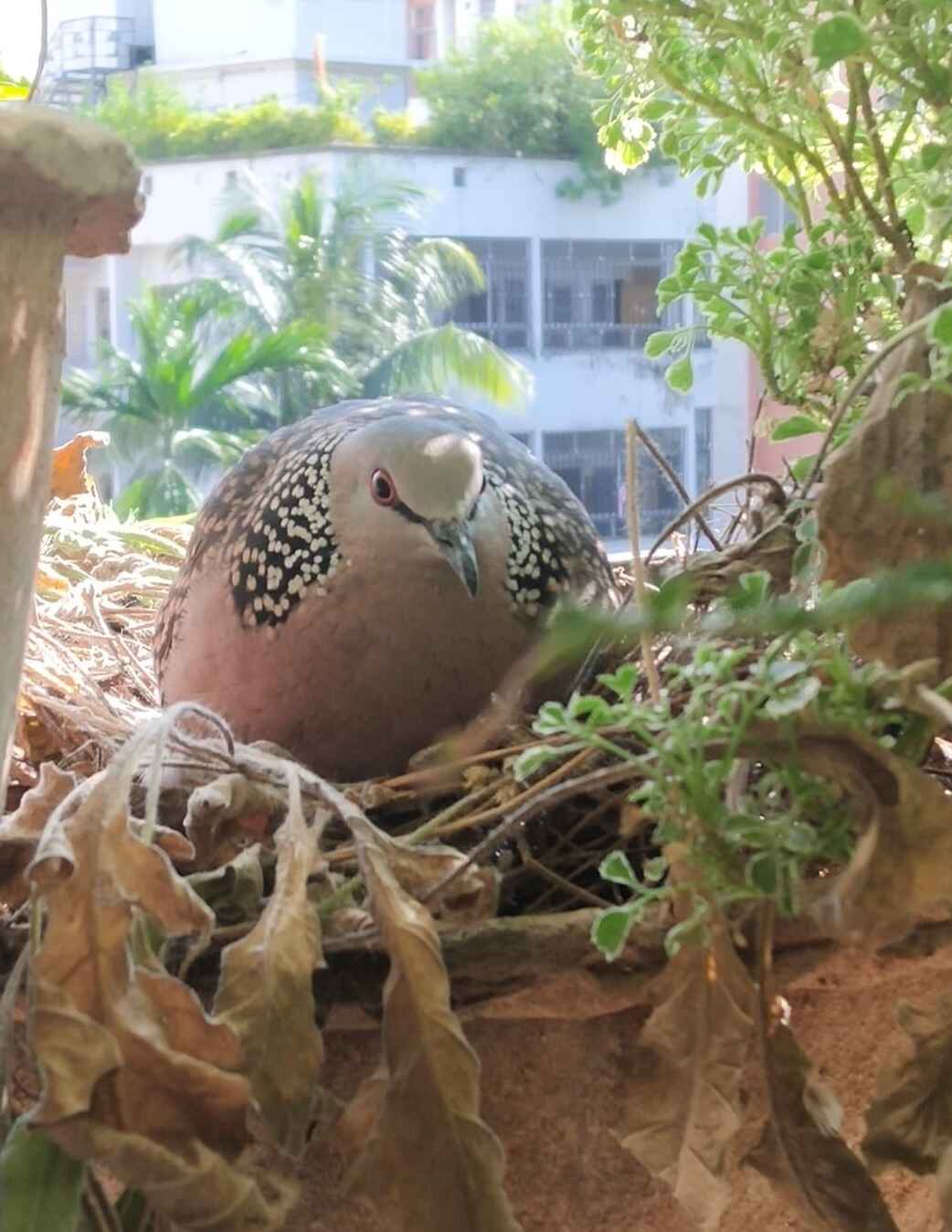 Polka, our regular balcony visitor who nested in my mother’s flowerpots, taught me early on that city spaces are shared ecosystems. She raised her family right on our balcony, allowing me to observe the entire birth cycle of Spotted Doves and understand some aspects of their behaviour.
During the monsoons, a lot of frogs appeared as if summoned by a mystical spell, hopping around, driving our cats absolutely wild. Wildlife wasn’t something that existed only in documentaries or faraway forests for me- it was always a part of the neighbourhood…or backyard, if you will. I was practising nature journaling and drawing colourful bugs with oil-pastel crayons long before I ever understood what “ecology” meant as a formal science.
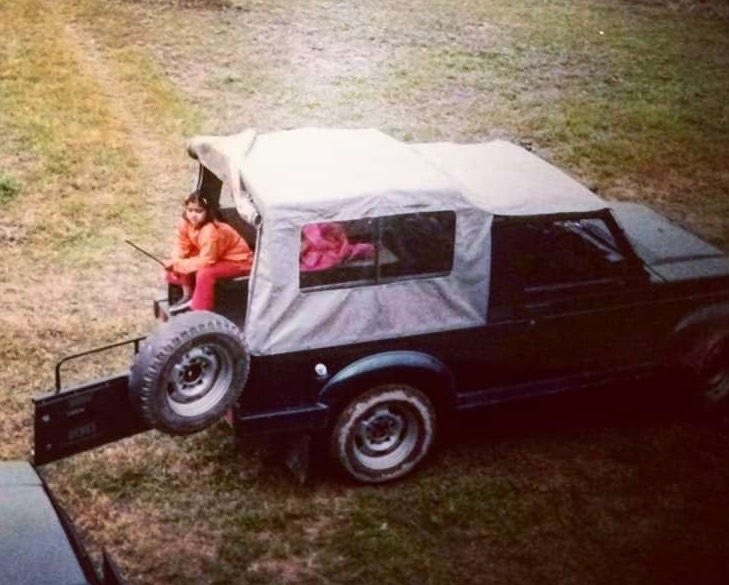 Early lessons in the rules of the jungle, learning directly from forest guards and field staff inside Northeast India’s protected areas, thanks to Dad letting me tag along as he travelled for his work.
I was a socially awkward kid who didn’t care much for crowds of people; I preferred spending my time observing animals. I remember, clear as day, when I was about twelve, one afternoon as I was playing basketball with my dog cheering me on, I noticed a Spotted Owlet in a nearby tree, staring at me and bobbing its head every time I moved. Intrigued, I started bobbing my head back. The owl seemed equally committed to this ridiculous exchange. Back then, I had no idea why owls bob their heads. I was brimming with euphoria that an owl decided to interact with me. I ran to get the Sony Coolpix camera we had back then and clicked my first-ever owl photograph. This interaction continued for several weeks, until eventually, we were forced out of our homes, the old nooks disappeared, the trees were cut down, and the area was ‘developed’. The owl vanished from that space….but not from my psyche, which inadvertently opened up a Pandora’s box of questions that continue flowing till this date. I suppose this eventually led me to step outside the bounds of conventional science.
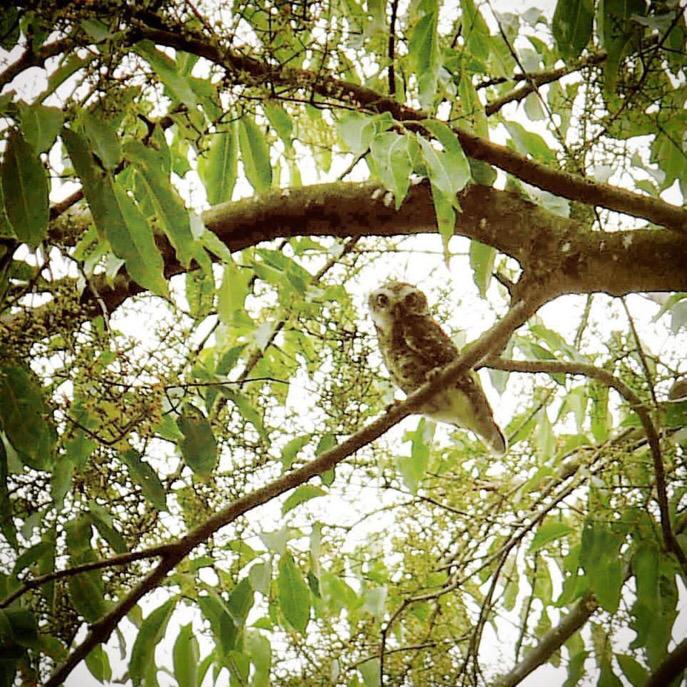 My very first photograph of a Spotted Owlet (Athene brama) in Guwahati, captured on an old Sony Coolpix camera after a prolonged head-bobbing standoff
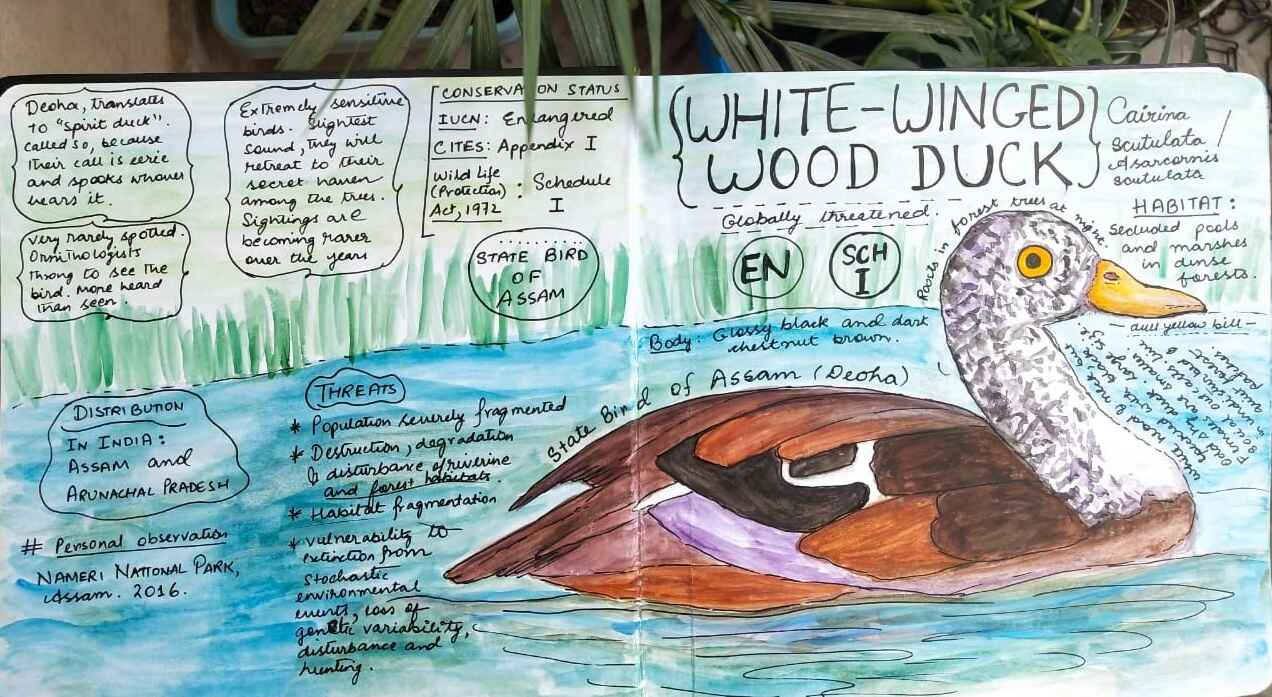 Nature journaling became my way of documenting anatomical intricacies that even binoculars and DSLR lenses missed.
My path into formal research was anything but linear- it was a gradual, winding transdisciplinary journey. I was an English Literature major (with Honours) and a History minor as an undergraduate, always dreaming of becoming a fiction writer. Balancing college life out by running a chaotic side hustle of theatre, wildlife photography, nature journaling, and event planning meant sticking to one rigid box felt entirely incomplete. Before my formal wildlife career began, spending a few years working professionally behind the lens served as my true transition into ornithology.
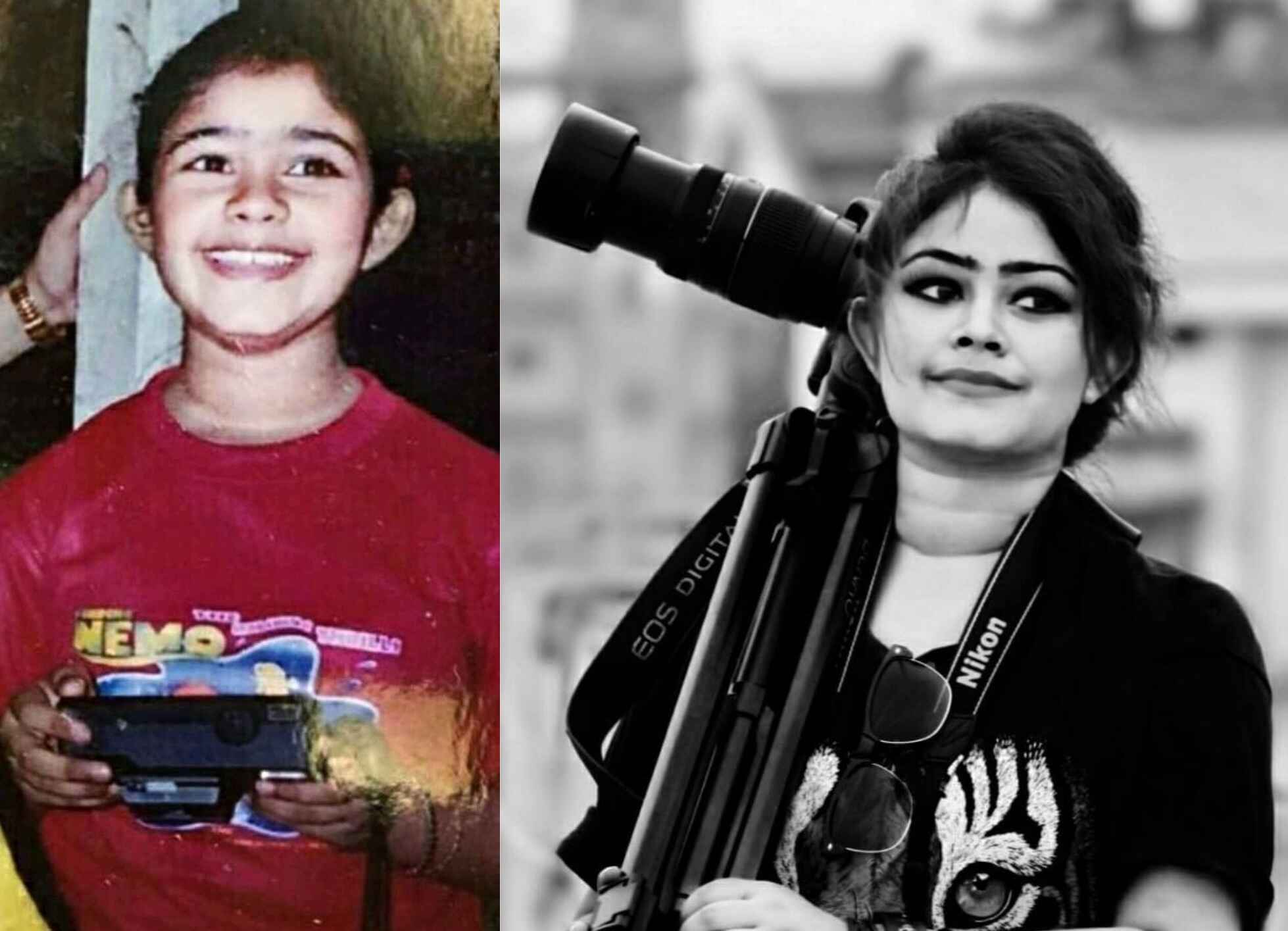 It was through the camera that I inadvertently started birdwatching; waiting to capture a shot forced me to slow down, track movements, and closely observe intricate avian behaviours that I might have otherwise missed.
The true turning point came when I pivoted and joined the Master’s programme in Ecology, Environment & Sustainable Development (EESD) at Tata Institute of Social Sciences (TISS), Guwahati. Initially, it felt like an unconventional transition (thanks to many sceptical gatekeepers in my life discouraging me from this decision, saying it’s not a financially safe career for women). But in hindsight, it makes perfect sense.
I got to study and work on freshwater turtles in the city temple ponds and gained tremendous exposure working with Whitley Awardee Dr Purnima Devi Barman, conducting environmental classes for an army of village women dedicated to saving the (then ‘Endangered, now ‘Near Threatened’) Greater Adjutant stork (Leptoptilos dubius). I witnessed real-life examples of how conservation is shaped by culture, society, and indigenous knowledge just as much as by pure biology.
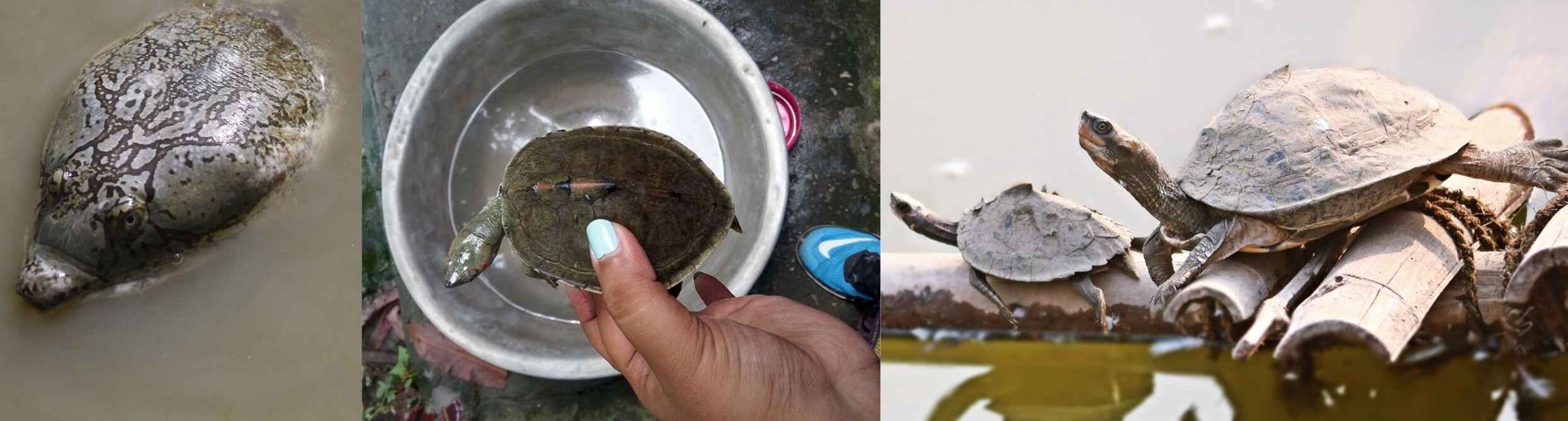 Documenting freshwater turtle populations across Assam’s temple ponds- my first deep dive into how religious beliefs and urban socio-ecological landscapes intersect
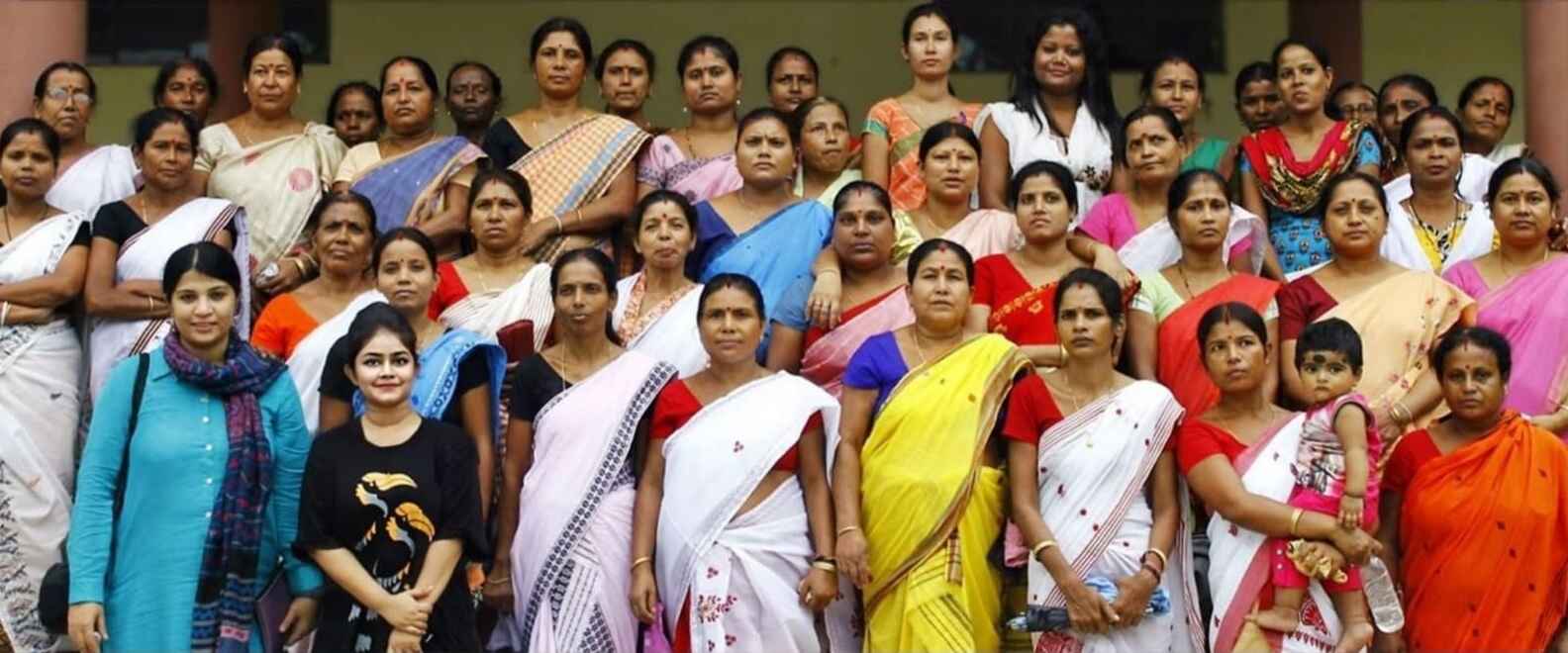 With Dr Purnima Devi Barman and the Hargila Army, witnessing the power of community-led narratives in driving successful species conservation
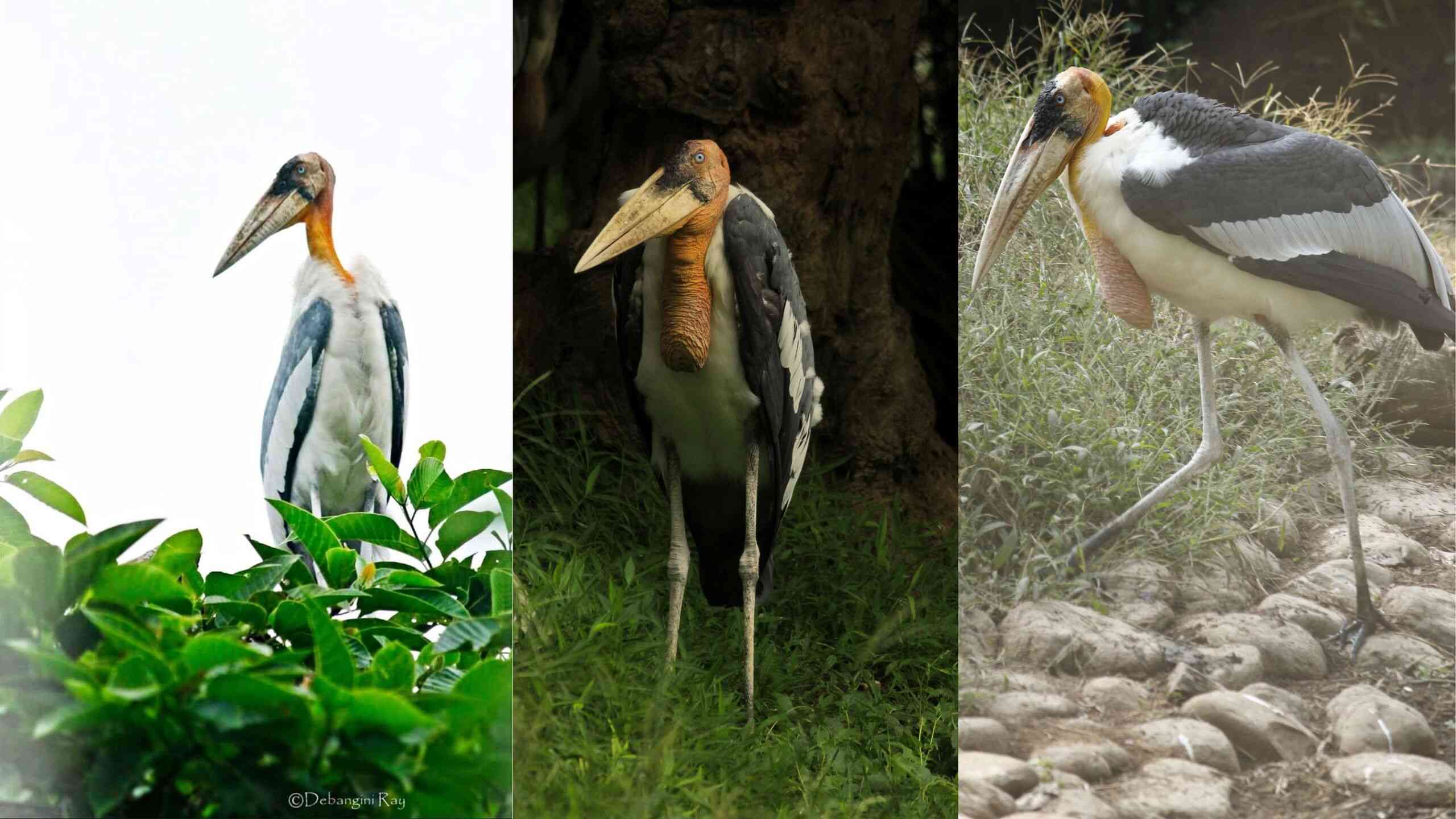 Long before owls entered the picture, my first avian teacher was the Greater Adjutant stork, or Hargila
Later, I completed a PG Diploma in Environmental Law & Policy at the Centre for Environmental Law, WWF-India, affiliated with National Law University, New Delhi, because I wanted to be more aware of the legal frameworks of my own country.
When I encountered the work of Dutch evolutionary biologist Menno Schilthuizen, my eyes flew wide open to the field of urban ecology. I realised that cities are ecosystems created by humans, and right under our noses, hundreds of cryptic species are utilising our resources- surviving, adapting, and treating our concrete jungles as today’s pressure cookers of evolution. Owls turned out to be a perfect lens through which to explore these questions. They occupy a fascinating space between ecology and culture. Depending on whom you ask, an owl may be a symbol of wisdom, bad luck, wealth, mystery, divinity, or impending doom. So much baggage to carry for these raptors! The more I learned about them, the more I realised that studying owls meant studying people too, as well as studying their prey, their habitats. That realisation eventually became the foundation of my PhD research.
 The Urban Owl Network logo- designed from my first watercolour sketch of an eastern barn owl
Currently, I am pursuing a PhD in the Department of Environmental Studies at MIT World Peace University, Pune and am a doctoral researcher at the Chatur Ullu Lab, founded by my supervisor, Dr Pankaj Koparde, to conduct (mostly urban) research on dragonflies-damselflies (chatur) and owls (ullu). I also work with the outreach and communications teams at the Dakshin Foundation in Bengaluru.
Through the Urban Owl Project that I started for my PhD research, I explore how owls navigate city landscapes and try to understand human-owl affiliations through the lens of multispecies ethnography, examining humans, owls, and other urban species as interconnected participants in the same urban ecosystem, mapping how their lives and survival are completely intertwined. My research combines ecological field surveys, rescue and rehabilitation records, citizen science data, interviews, and personal narratives shared by people from different parts of the country. One of the things I find most interesting is that owls occupy very different roles in different people’s lives. For some, they are sacred. For others, they are omens. Some people dedicate enormous amounts of time and effort to rescuing injured owls, while others view them with suspicion or fear. These perceptions often influence how people respond when they encounter wildlife in cities.
Urban areas are often dismissed as ecological wastelands, yet they support surprising biodiversity. Several owl species continue to live alongside us, often unnoticed. By understanding both the ecological challenges they face and the cultural narratives surrounding them, I hope my work contributes to more informed and compassionate approaches to urban conservation.
Also, I’ve been spending a surprising amount of time wandering around the city after dark, staring up at the trees, much to the chagrin of a lot of bats. Sigh. Trust me, this is also considered a legitimate research method.
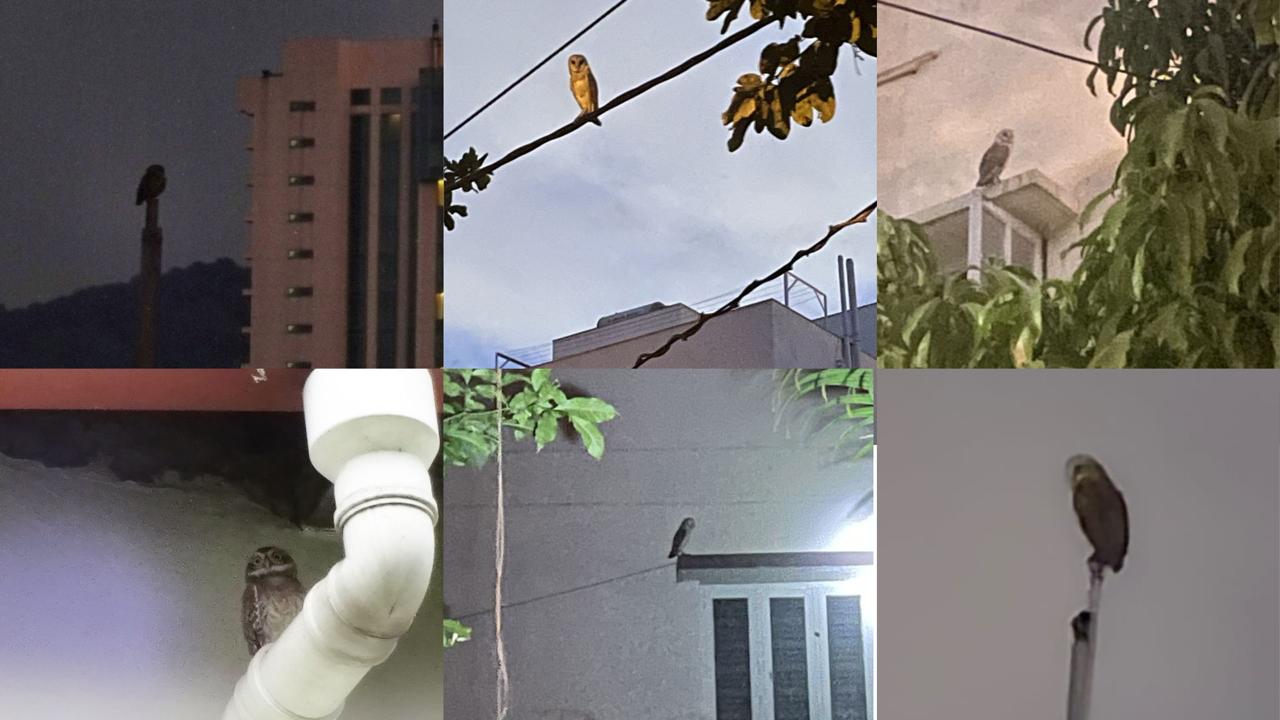 Urban nocturnal research is often less glamorous than social media suggests- the listening, waiting, and learning to locate owls by their calls long before you actually see them.
I love what I do because…
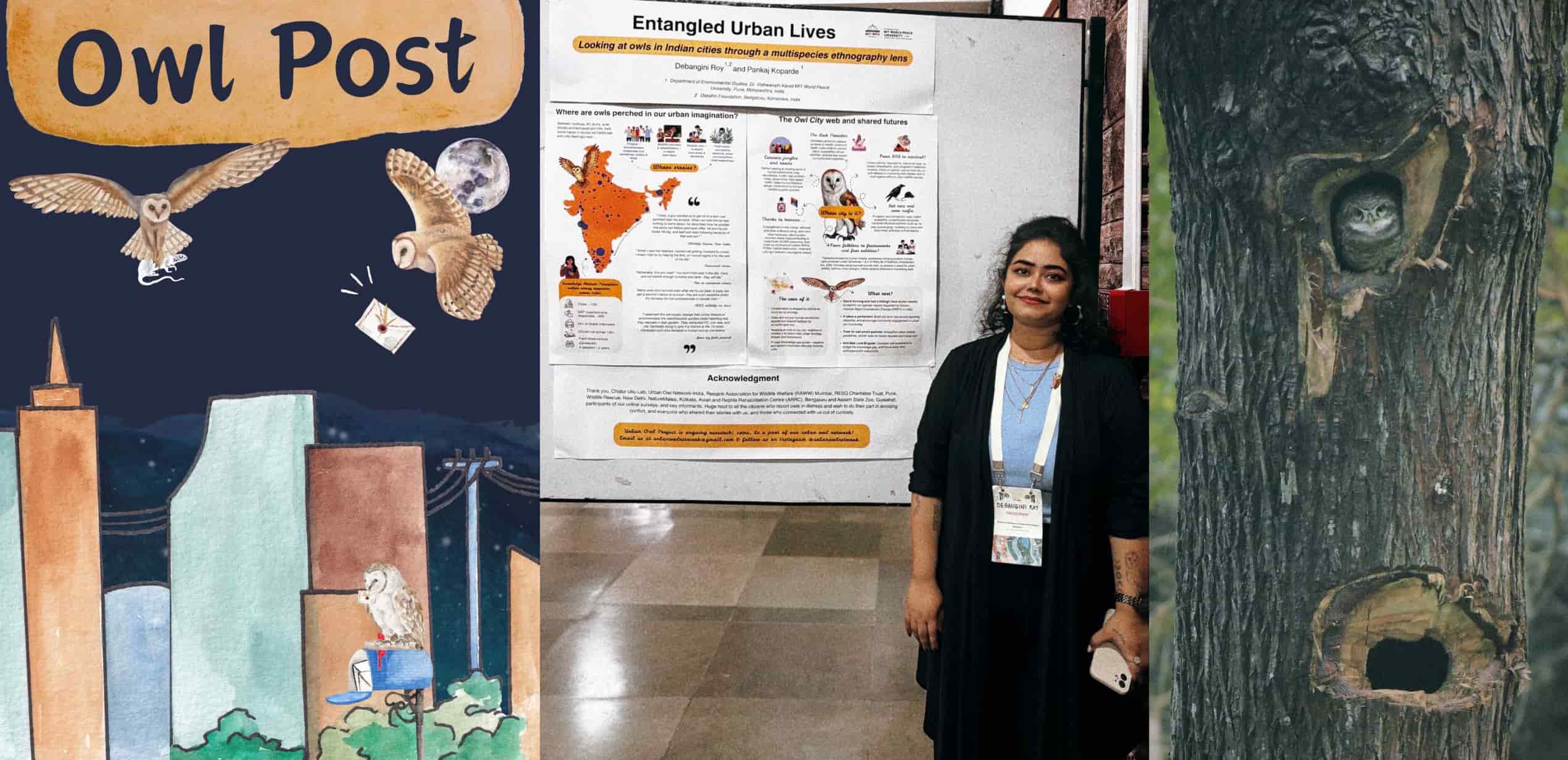 (L-R) Cover of our newsletter Owl Post, presenting a chunk of our work at SCCS 2025 and a spotted owlet that I regularly observed in the man-made tree crevices that had been built for its family by a concerned person
I love what I do because I occupy a space right between empirical science and creative storytelling, meaning I never have to leave my artistic self at the laboratory door. I’ve always felt that science can be incredibly rigid at times, and it feels entirely unfair that the general public or local communities are excluded from scientific knowledge because it is locked behind expensive paywalls and dense, clinical language.
My work allows me to break those boundaries. I get to use my own manual and digital artwork, visual storytelling, and humour to translate raw data into something engaging and accessible to all. I created a non-funded grassroots outreach newsletter called Owl Post and an Instagram page called Urban Owl Network to do exactly this: connect citizens to urban owls through outreach, while slowly building a larger community, or “parliament”, around urban owl conservation. Using a few familiar owl species to slowly expand to understanding and acknowledging different owl species and their behavioural ecology seems a good first step to bridge the knowledge gap. The love I see for Spotted Owlets, both online and offline, is honestly remarkable. I do get why. They are unintentionally hilarious creatures- sentient floofballs that take themselves far too seriously, with their thick Eugene Levy-esque eyebrows, permanent grumpy scowls, and their habit of frantically head-bobbing to triangulate distance. But while some owl species are adored, others continue to carry the weight of deeply rooted superstitions and “death and doom” narratives. That contrast makes myth-busting and public engagement particularly important.
I enjoy questions more than answers. I think my favourite moments in research are usually the ones that complicate a story rather than simplify it. For example, a rescue volunteer tells me something that contradicts my expectations. Or a cultural belief about owls turns out to have a far more nuanced history than I assumed. Or a species I thought I understood through scientific literature behaves in a completely unexpected way. How exciting is that?! I also enjoy the sheer variety that comes with interdisciplinary research. On any given day, I might be discussing urban ecology, folklore, citizen science, wildlife rehabilitation, anthropology, bird behaviour, or public perceptions. Occasionally, all of them at once.
And perhaps because I started in literature, I still love storytelling. Research helps us discover things. But stories help those discoveries travel!
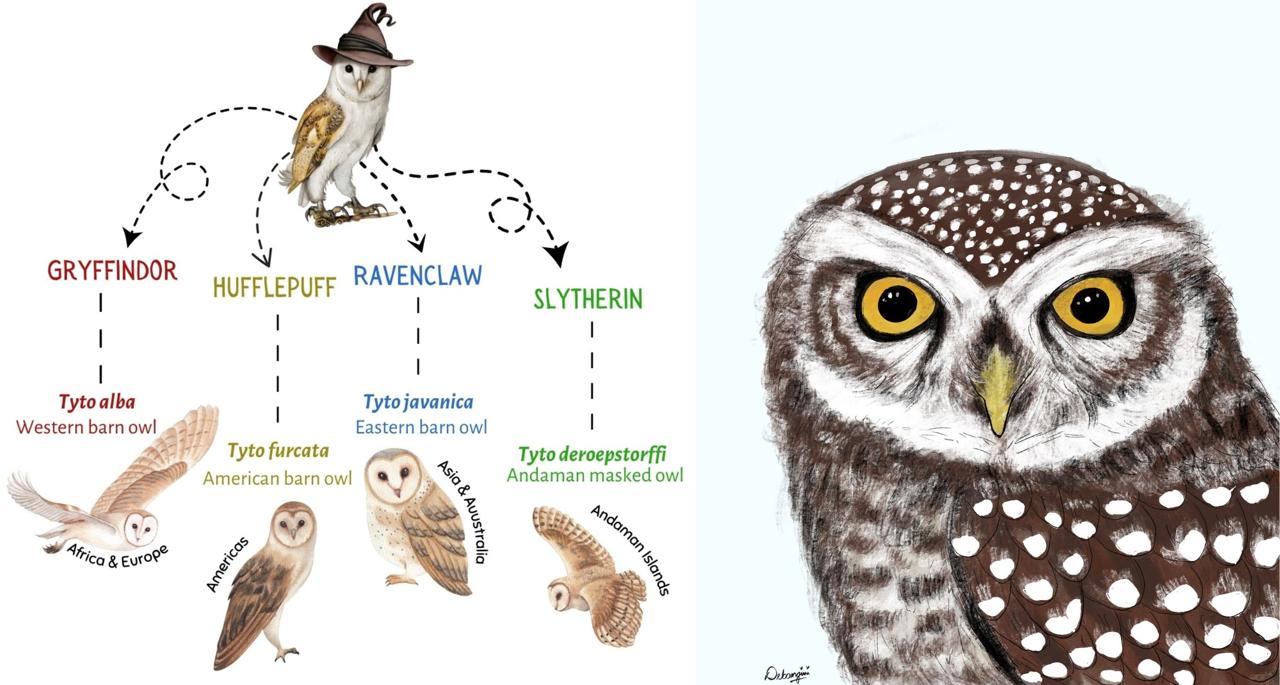 Using digital illustrations and familiar pop-culture references to make avian taxonomy and behavioural ecology a little less intimidating and a lot more accessible
Challenges I have faced…
I want to highlight a few challenges I’m facing in my PhD journey, as narrating everything spanning my career would take at least six pages. Urban fieldwork sounds convenient on paper, but cities are noisy, fragmented, unpredictable places to work in. E.g., going from Point A to Point B would take 3 min on Google Maps, but can take forty minutes in real life due to roadblocks, flyovers, and gated private properties. But the real challenge is the suspicion that follows me. I guess a woman walking down dark, isolated alleys alone at night, with recording gear, waving a flashlight alone and pushing buttons on a lux meter to note down the ambient light, doesn’t exactly inspire good faith. People follow me, question me intensely, pass casually sexist comments and block access. It can also be risky after dark, and it is a sad reality that I cannot find women interns willing to or feeling safe enough to assist with my nocturnal surveys.
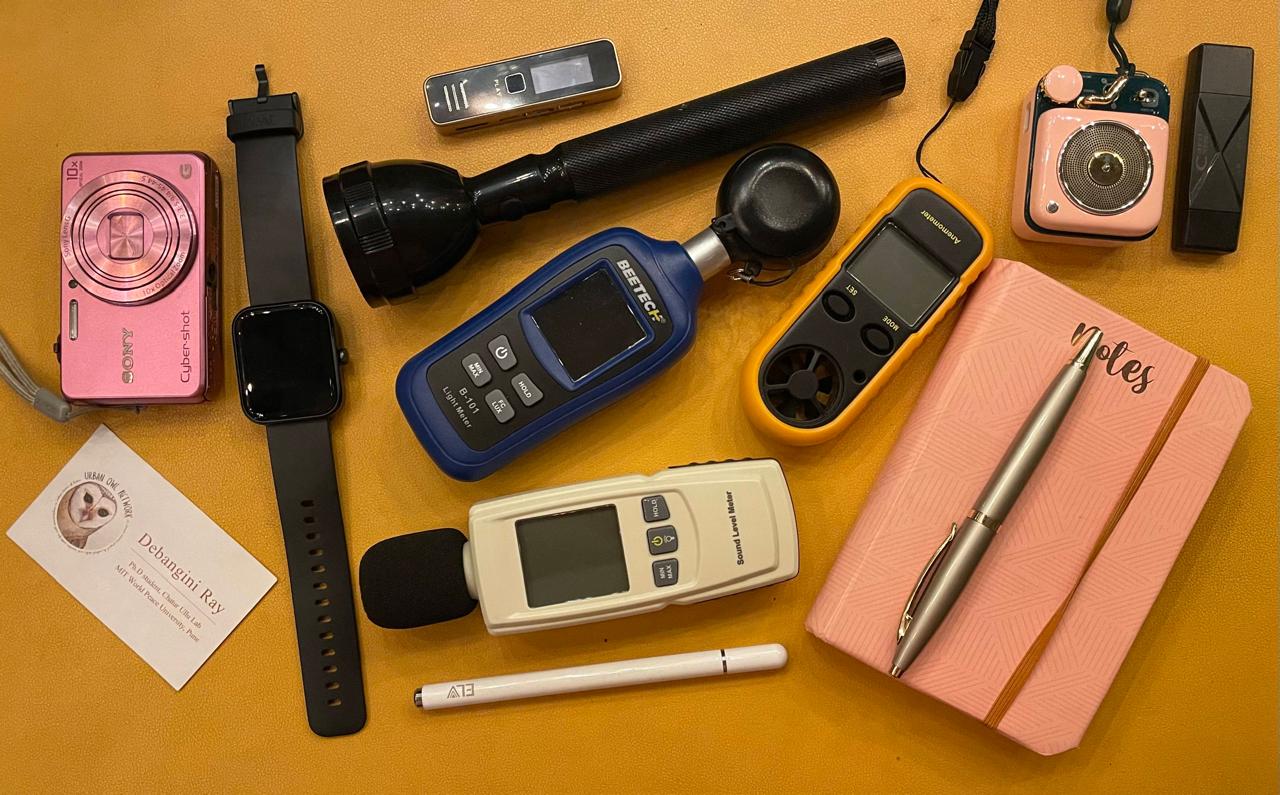 The toolkit of an urban ecologist trying to conduct a multispecies occupancy survey in a city at night
Beyond the field, the emotional toll of the data is heavy. Over 50% of the city owls recorded in our rescue dataset died post-rescue. Barn owls, in particular, show highly compromised immune systems and sluggish recovery rates, and we hypothesise that this can be due to chronic urban stress combined with bioaccumulated poisoning, but unfortunately, we just do not have enough urban studies on raptors, especially the plethora of questions that my research is uncovering, and I do not have the funding or backing I need to pursue it all at the moment. But I sincerely hope we can conduct more research in the future.
Lastly, my work sits at the intersection of ecology, social science, culture, and communication. Interdisciplinary research is exciting because it allows you to ask unusual questions, but it can also mean that you are constantly learning the languages, methods, and expectations of different fields. There are institutional walls- traditional academic silos constantly try to fit me into a box, dismissing my field metrics or labelling me as “a social scientist”. As a woman, I have also had to navigate the casual sexism that still persists in parts of academia and fieldwork. I’ve had senior scientists dismiss my ambitions, question my capabilities, or speak past me entirely in favour of addressing male colleagues. While these experiences have been frustrating, they have also reinforced the importance of carving out space for diverse voices and perspectives within conservation science.
My advice to young researchers is..
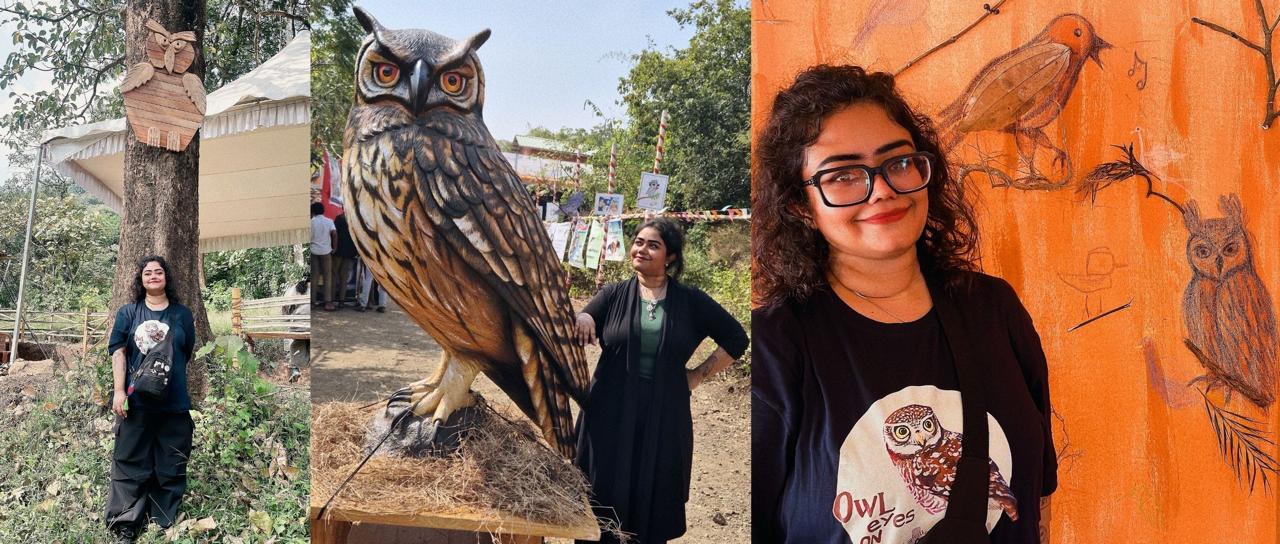 Staying anchored in art, literature, and storytelling so that ecological discoveries can travel beyond academic silos and into public conversations.
My absolute biggest piece of advice, especially for the young women entering this space (because I wish I could go back and tell my younger self this) is: stop putting yourself in strict boxes for other people to tick or cross, if you happen to stand out. If you have a tough, non-linear journey and you finally make it to the table, please do not leave your unique self behind. If you suppress your creativity, your writing, or your art just to fit a traditional mould, what are you actually bringing to the conversation?
Second, I would humbly request everyone to realise early on that conservation is shaped by human culture just as much as by ecology. Some of the most valuable things I have learned about conservation have come from places that were not conservation textbooks. Literature, history, folklore, art, sociology, and conversations with people from completely different backgrounds have all shaped the way I think about research. If we stay disconnected from the socio-economic and cultural realities of the communities living alongside wildlife, our conservation strategies will fail the moment an environmental crisis hits.
Finally, do not let anyone disrespect, diminish, or gaslight your baseline value. Speak up loudly against casual sexism and academic gatekeeping. True change in ornithology won’t happen through isolated papers; it takes a multi-agency approach- scientists, grassroots rescuers, artists, and informed citizens working together.
Debangini Ray,
PhD student, Chatur Ullu Lab, Department of Environmental Studies, MIT World Peace University, Pune
Senior Outreach Coordinator (Marine Flagships Programme) & Communications Officer, Dakshin Foundation, Bengaluru.
Email: [email protected], [email protected]
Instagram: @debanginiray, @urbanowlnetwork | Owl Post
Your narrative very eloquently captures the profound connection between life and nature, and it resonated with me on many levels.
Congratulations on expressing your vision with such authenticity and passion. Continue to pursue your dreams with unwavering conviction, Keep moving forward in pursuit of your dreams—don’t be distracted by the noise around you and never lose sight of the path that inspires you.
Best