
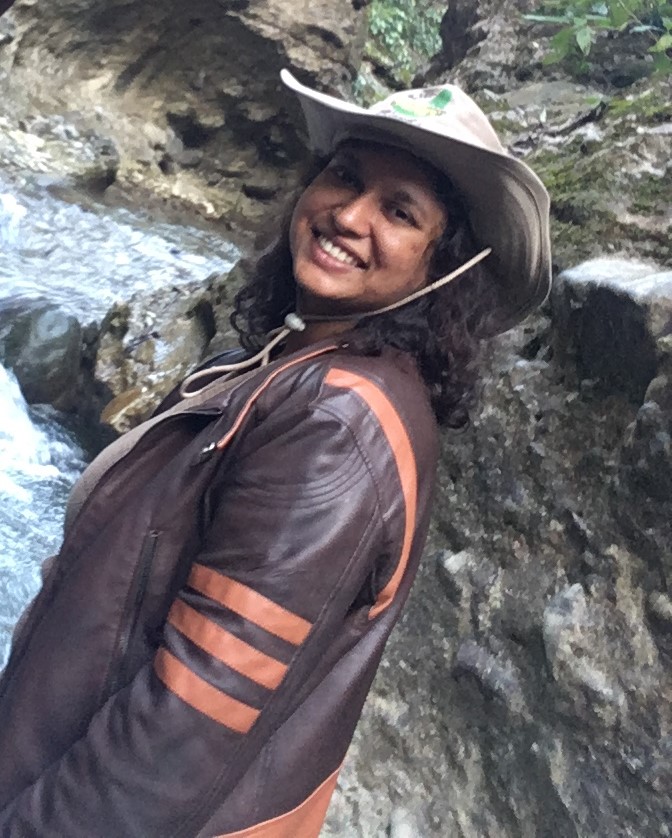
One of my earliest and most memorable experiences with birds occurred in an unexpected setting: a railway station. About a decade ago, while waiting at Nagpur railway station for a train delayed by nearly 12 hours, I took out my newly purchased Inskipp and Grimmett field guide to identify the birds around me. What began as simple curiosity soon became deep engagement. I closely observed the behaviour of the birds at the station, particularly the Common Mynas, noting how they foraged, interacted, and adapted to a busy, human-dominated environment. I became so engrossed in matching the birds to the illustrations that I nearly missed boarding my train when it finally arrived. This experience was one of my first realisations that birds can transform even the most ordinary places into opportunities for curiosity, learning, and wonder.
This is how my love for birds and nature took shape…
My interest in birds took shape during my MBA (Forestry Management) at the Indian Institute of Forest Management (IIFM). On a field trip to Corbett Tiger Reserve, we stopped at a roadside restaurant for lunch. While sitting on the terrace, a very large bird flew past overhead. It was immense and striking, and for a few moments, it completely captivated everyone present. I could not identify the species at the time, and even today, I remember it simply as a large white raptor gliding across the horizon. That moment stayed with me. When I returned to campus, I volunteered at the first opportunity for a bird survey at Van Vihar National Park. That experience marked the beginning of my journey into birding and gradually deepened my engagement with birds.
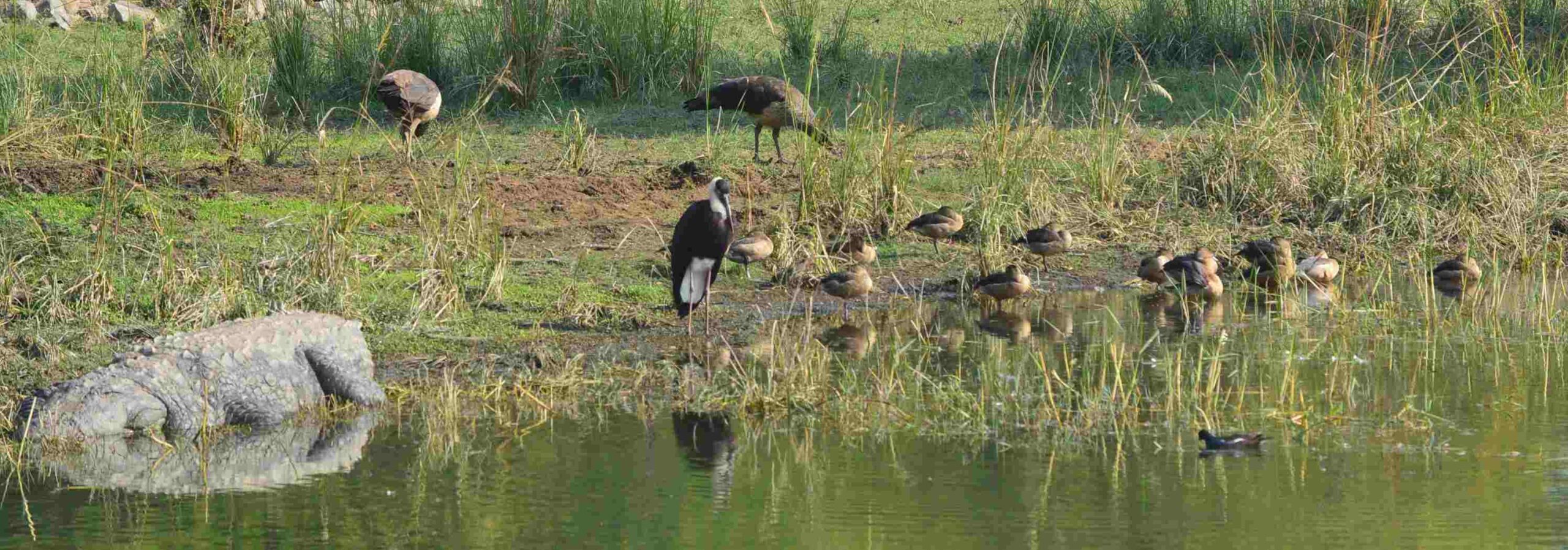
Van Vihar National Park, Bhopal: A flock of wetland birds (Photo Credits: Niharika)
My interest in birds gradually evolved into a research direction through extensive field exposure and participation in multiple bird surveys. During my first bird survey in Kanha Tiger Reserve, I was introduced to eBird, which fundamentally changed the way I documented and thought about bird observations. I continued birding actively, thereafter, using eBird both as a learning tool and a way to document observations systematically. Initially, I was deeply interested in large mammals, particularly tigers, but over time, I began to appreciate birds as more sensitive and informative indicators of habitat quality and ecological change. Classic examples, such as the opening chapters of Silent Spring, reinforce the idea that changes in bird communities often signal deeper environmental disturbances. This realisation ultimately led me to focus my research on birds and their role in assessing and informing conservation priorities.
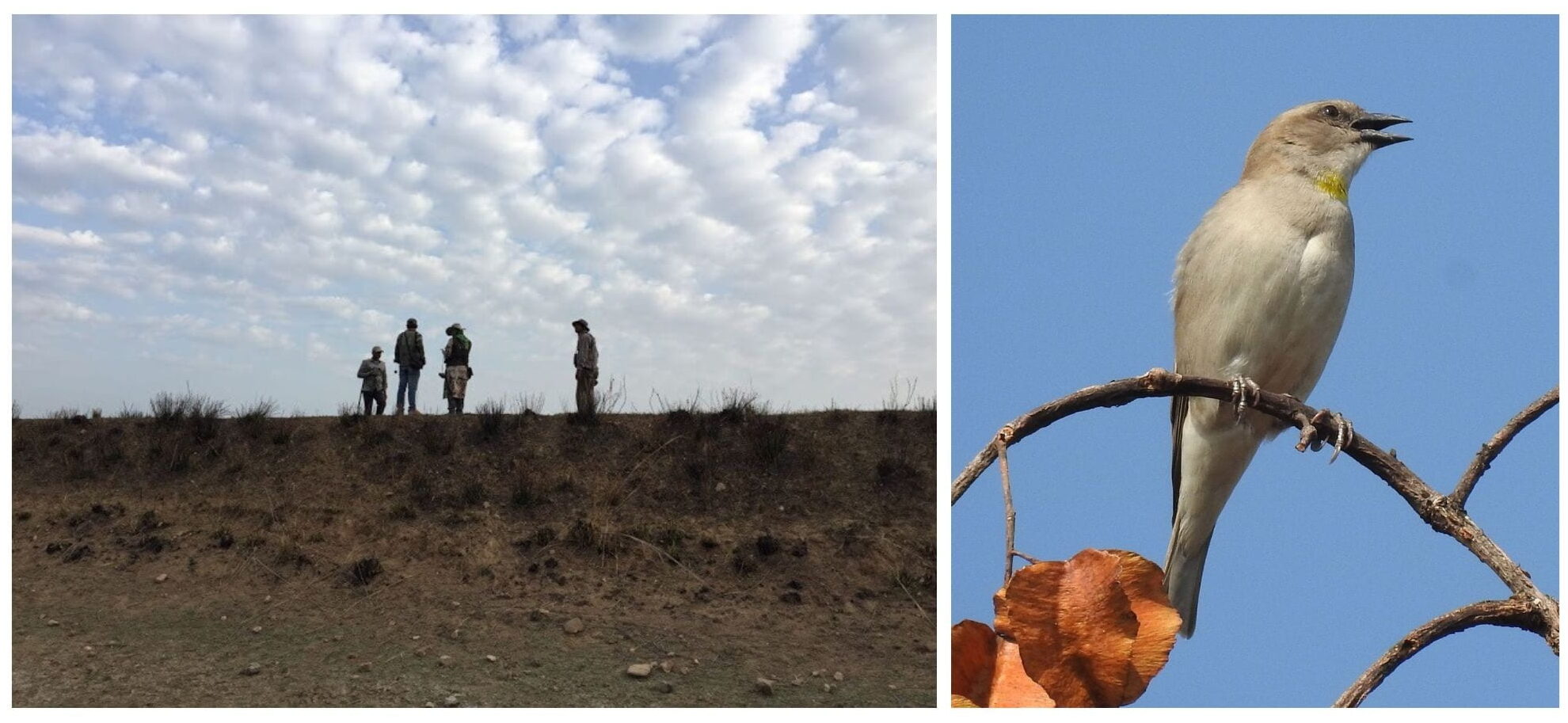 Our team conducting a bird survey at Kanha Tiger Reserve (left); Yellow-throated Sparrow at Kanha Tiger Reserve (right)
(Photo Credits: Niharika)
I am currently pursuing a PhD at Forest Research Institute (FRI), deemed to be University. My research centre is the Indian Institute of Forest Management (IIFM), and my supervisor is Dr Advait Edgaonkar. I am working on identifying priority areas for bird conservation in the Central Indian Landscape, with a focus on understanding spatial patterns of bird diversity to support conservation planning.
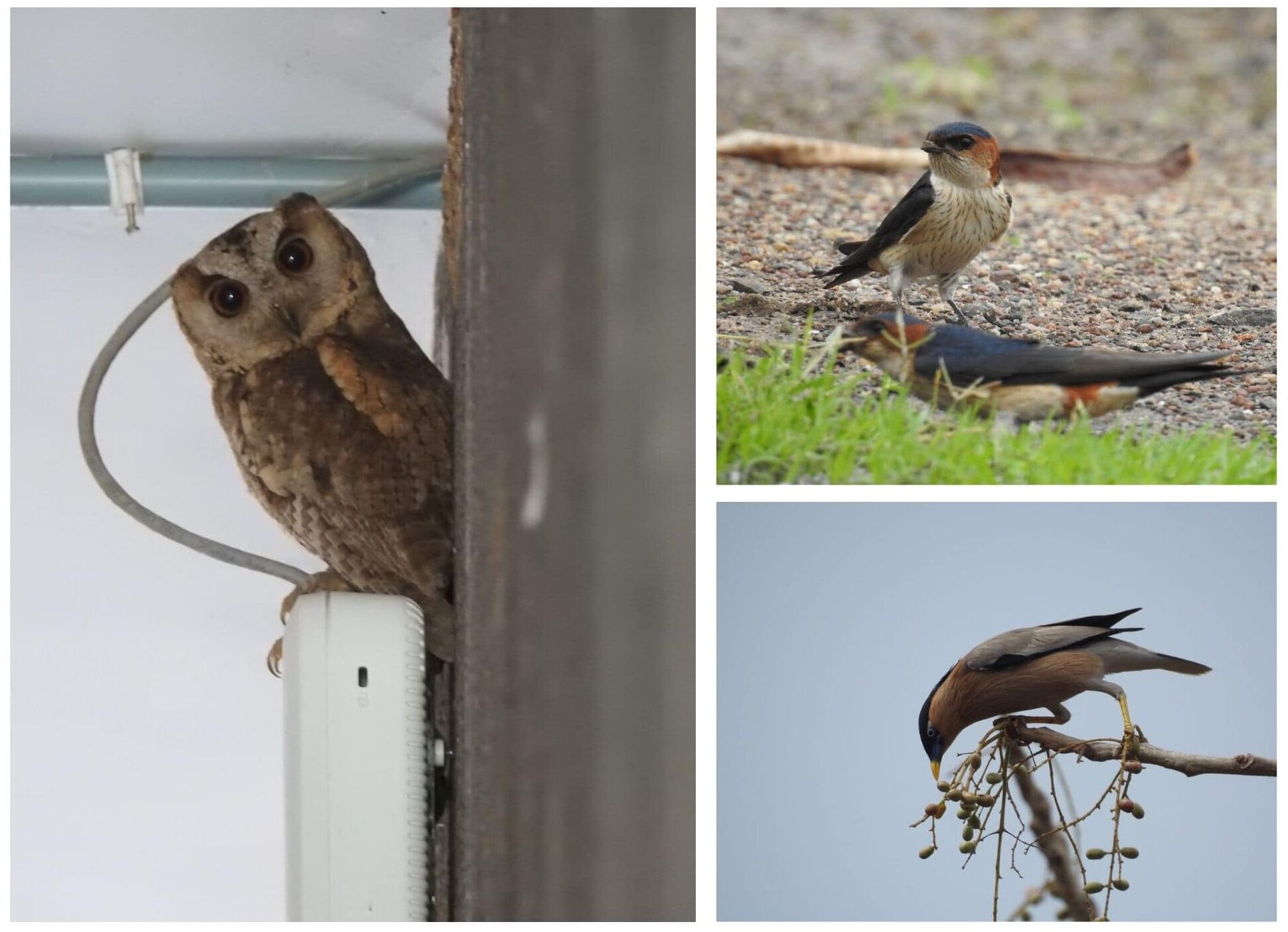 Some of the birds at IIFM, clockwise: Indian Scops-Owl, Eastern Red-rumped Swallow, Brahminy Starling (Photo Credits: Niharika)
I love what I do because…
One of the aspects I enjoy most about my work is using eBird data for species distribution modelling. Working with such an enormous, openly accessible dataset constantly reminds me of the sheer number of people who are out there observing birds and contributing to citizen science. This collective effort not only strengthens scientific research but also reflects a growing interest in birds and biodiversity among the wider public, which I find deeply encouraging. I also value that my own work contributes back to this shared pool of knowledge, making me feel part of a much larger community of birdwatchers and researchers.
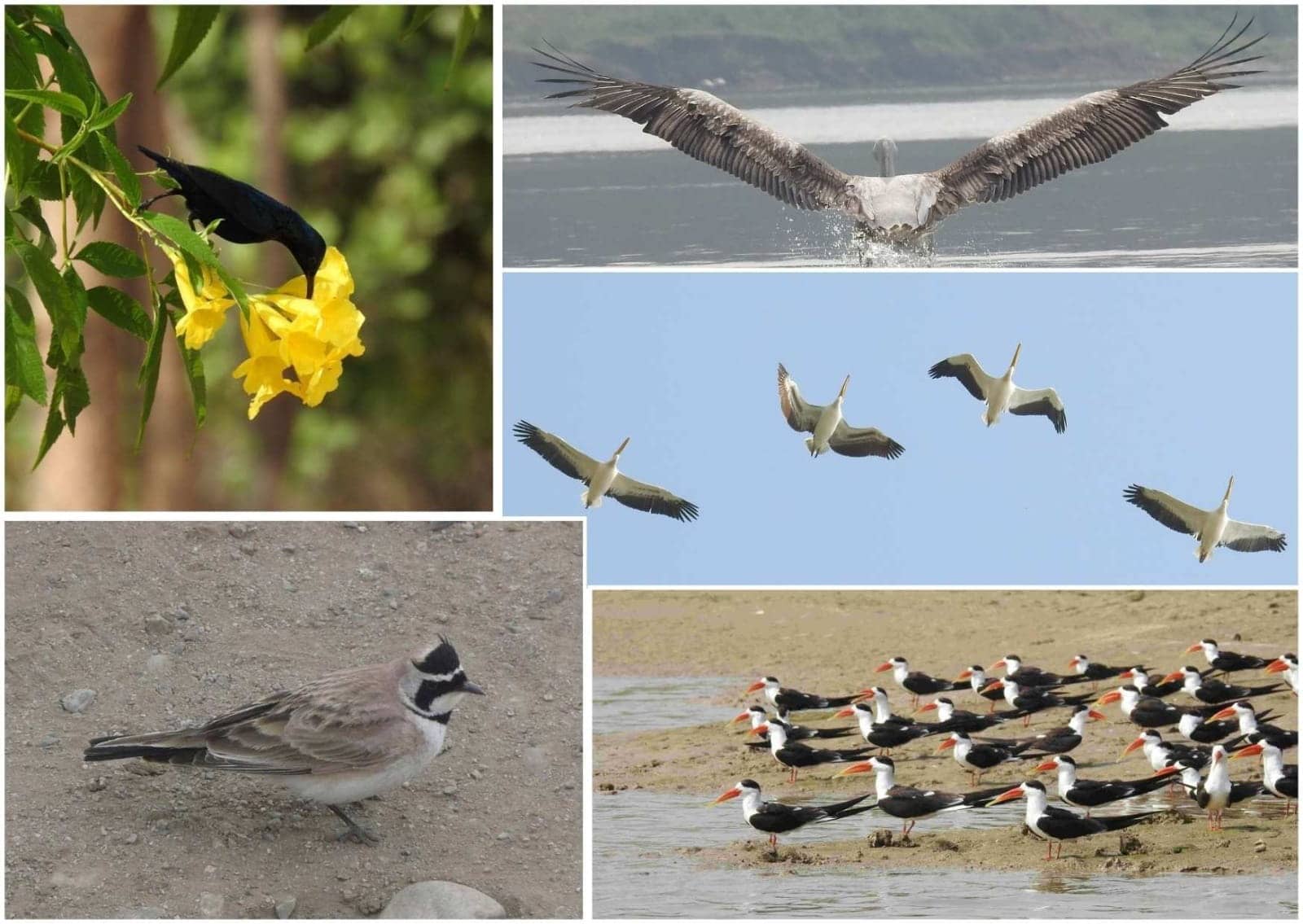 Clockwise from bottom left: Horned Lark at Mt Kailash; Purple Sunbird at KBR National Park; Spot-billed Pelicans in the water and air bound at National Chambal Sanctuary; Indian Skimmer at National Chambal Sanctuary
(Photo Credits: Niharika)
Challenges I have faced…
While birding and field surveys are the most exciting and enjoyable parts of my work, one of the main challenges I faced was learning to handle and analyse large datasets. Working with eBird data required me to develop skills in R and Python for data wrangling and analysis, which was initially quite daunting. Coming from a background where fieldwork felt more intuitive, transitioning to coding and computational analysis took time, patience, and persistence. However, this challenge eventually became an important learning curve and has significantly strengthened my ability to work with large-scale ecological datasets. I learned these skills through a mix of online courses, self-learning, and workshops that provided a comprehensive overview of quantitative concepts and approaches essential for research in conservation science, starting with beginner R courses on DataCamp, using Stack Overflow, YouTube, and web resources for troubleshooting.
My advice to young researchers is…
My advice to young researchers is simple: have fun and follow the rules. Enjoy being in the field, observing and learning, because curiosity and joy are what sustain a long-term career. At the same time, it is important to work ethically by respecting nature, habitats, data-sharing norms, and research protocols.
Niharika
[email protected]
Project Scientist at the Indian Institute of Forest Management, Bhopal, and
Research Scholar at the Forest Research Institute, Dehradun
LinkedIn