
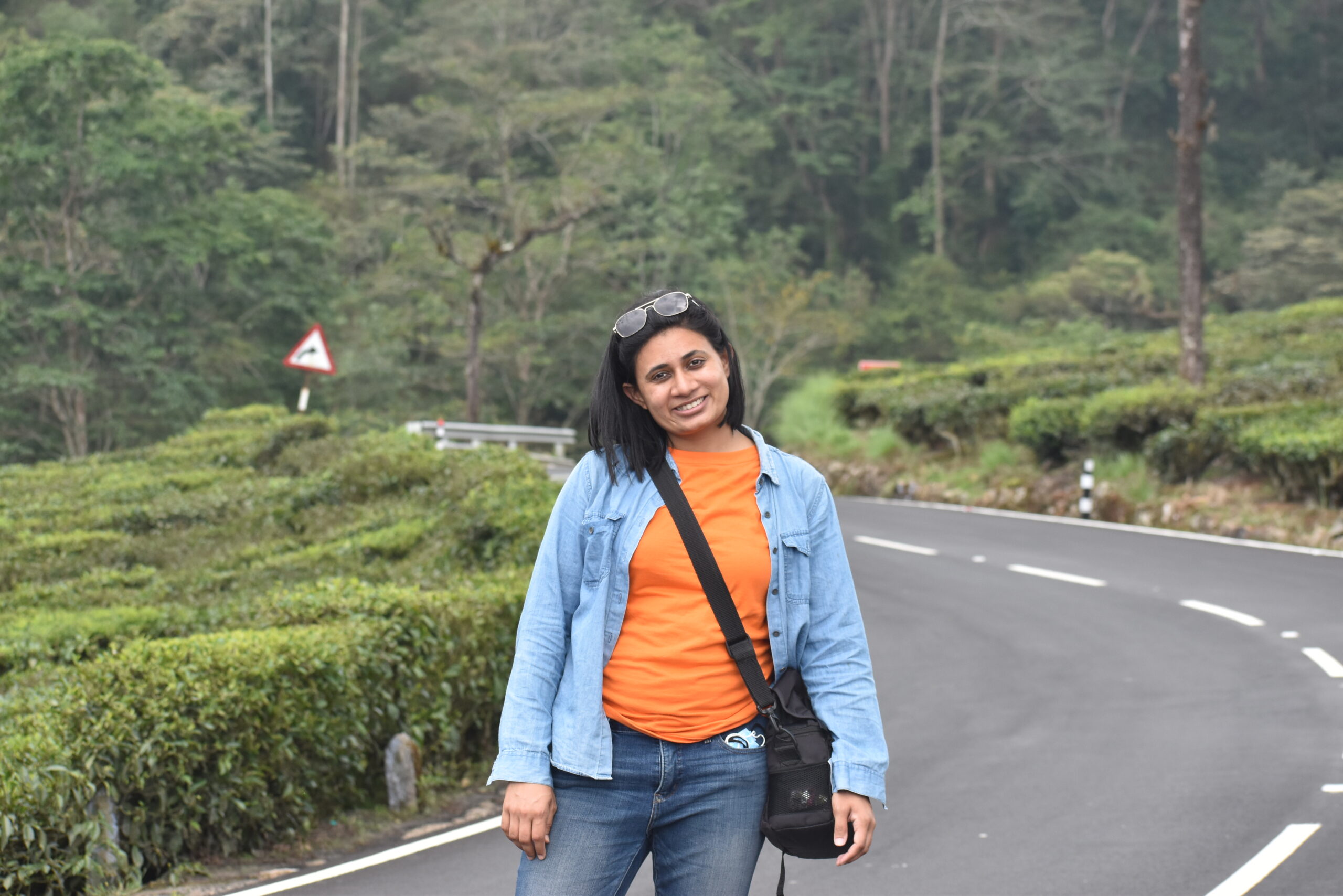
While surveying bird watching trails in the Govind landscape, Uttarakhand, under the SECUREHimalayaProject, one of the most enriching experiences I had was while trekking to the Kuin Dibri waterfall at Istragaad. There were apple orchards, dense oak–pine forests, scrub patches, agricultural fields, and a perennial stream. The trek began with the calls of the Blue Whistling Thrush (Myophonus caeruleus), followed by a surge of bird activity involving laughing thrushes, warblers, and tits moving through the forest edge and orchards. We observed intense mixed-species flock activity dominated by Striated Laughingthrush (Grammatoptila striata), White-throated Laughingthrush (Pterorhinus albogularis), Ashy-throated Warbler (Phylloscopus maculipennis), and multiple tit species, including the Green-backed Tit (Parus monticolus). Calls overlapped, movements unfolded in every direction, and the sheer richness of avian life made it difficult to choose which bird to observe– it was, quite simply, a paradise. We also documented near-threatened species such as Bearded Vulture (Gypaetus barbatus) and Himalayan Griffon (Gyps himalayensis) in the landscape.
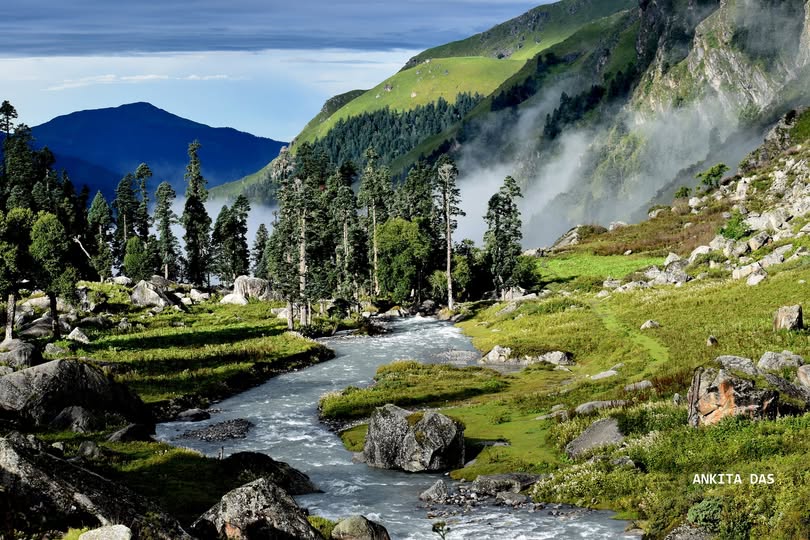 Har-ki-Dun, Govind Landscape
The work was part of a biodiversity survey aimed at developing eco-tourism initiatives, particularly bird-watching trails, in ways that align conservation objectives with local livelihoods. Beyond the birds, this experience reinforced how closely local communities are connected to their environment. That morning made me realise that bird watching is not just about species lists; it is about understanding landscapes as living systems where birds, habitats, and people are deeply interconnected. This insight strongly shaped my interest in using bird-based ecotourism as a tool for both conservation and community livelihoods.
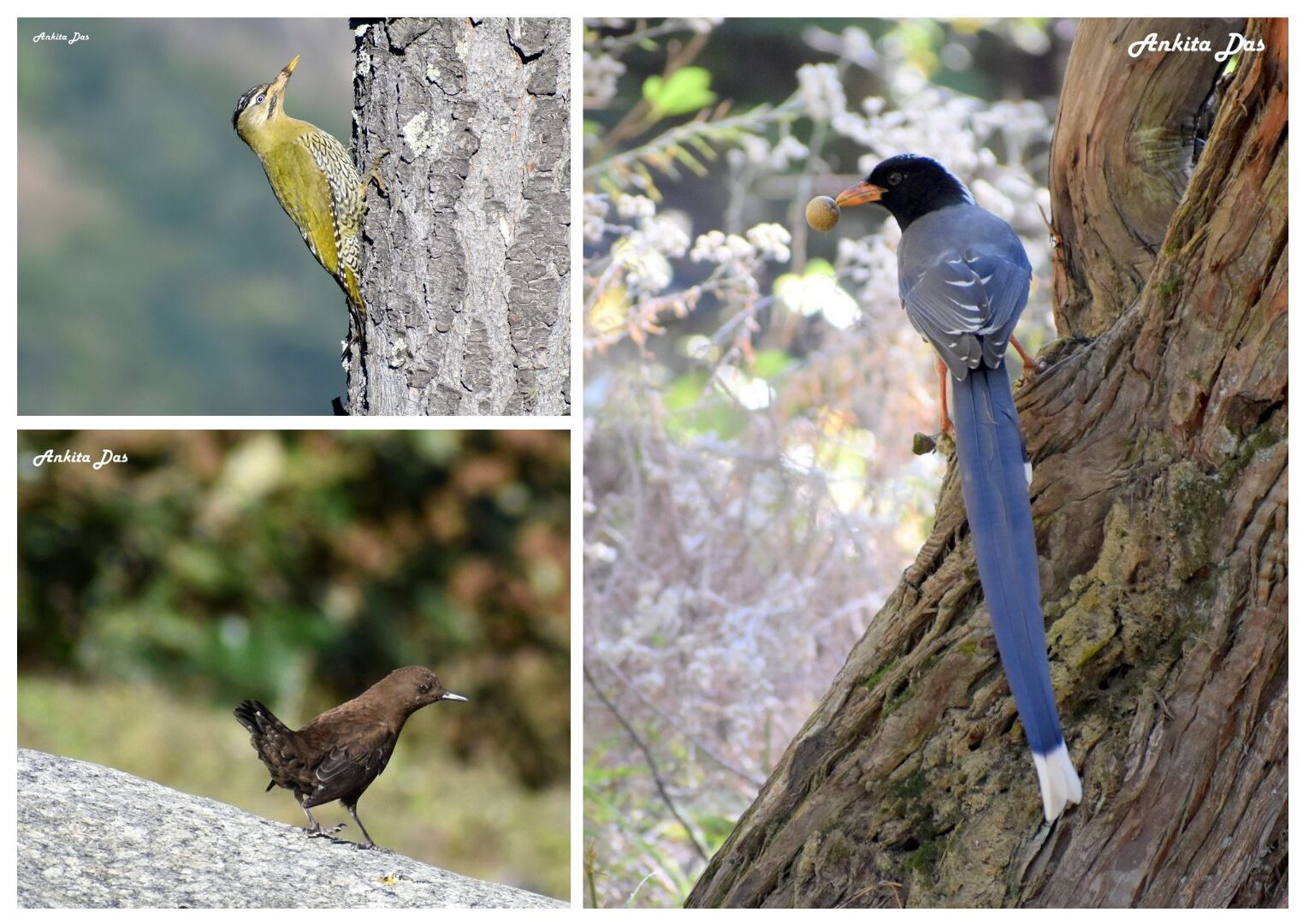 Clockwise from top right: Yellow-billed Blue Magpie; Brown Dipper; Scaly-bellied Woodpecker (Pictures taken in Govind landscape)
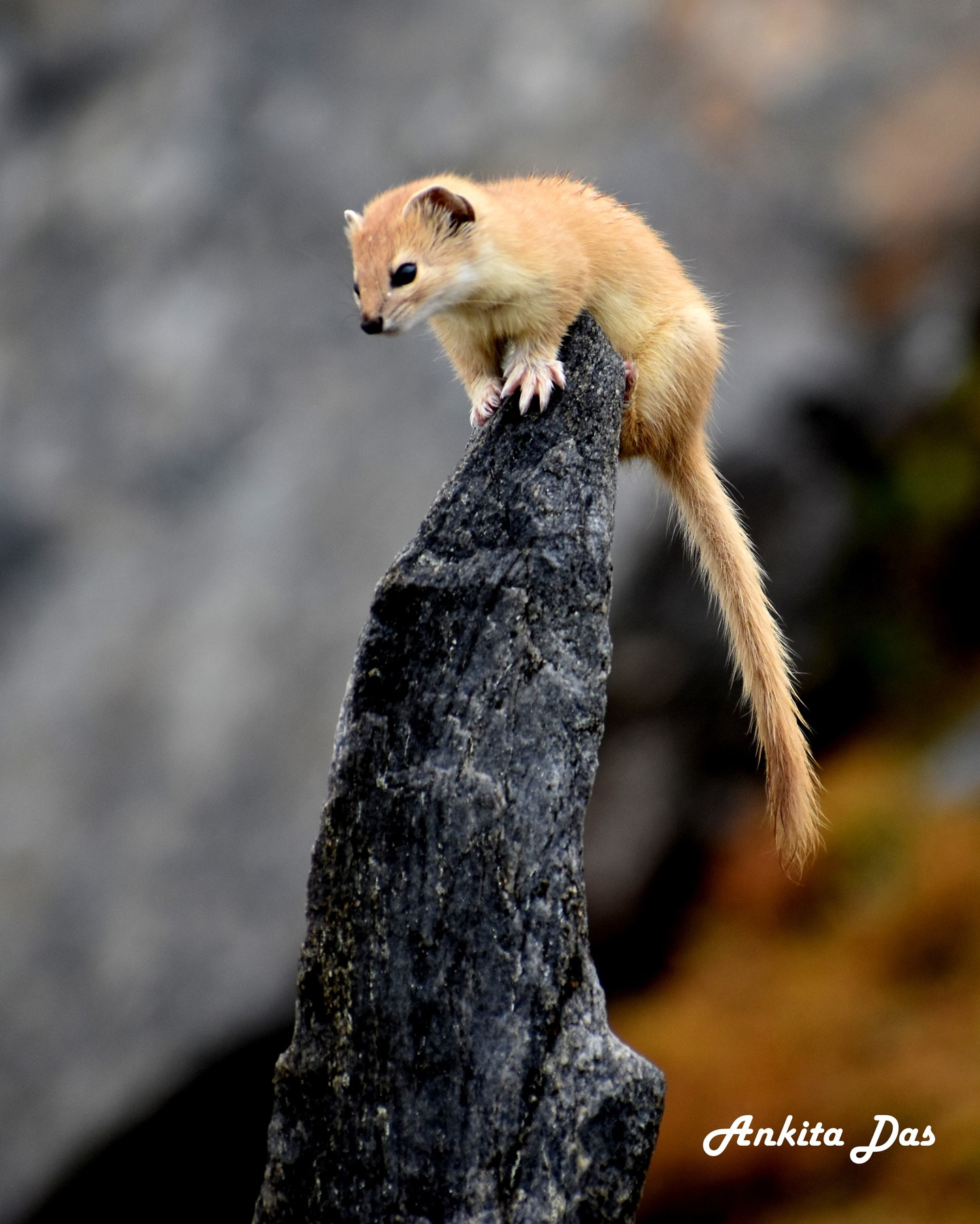 Mountain Weasel, Govind National Park, Uttarkashi, Uttarakhand
This is how my love for birds and nature took shape…
My love for nature, especially birds and trees, began long before I understood what I was doing. According to my parents, even as an infant, I would respond to bird calls, especially the call of the Asian Koel, which used to perch on the mango tree in our garden. Because of this, my family affectionately gave me the nickname “Kuku.”
My grandparents unknowingly played a pivotal role in nurturing my curiosity about nature from an early age. Through their stories about the wild animals around our home and by showing them to me, they turned everyday observations into meaningful learning experiences. They spoke of jackals that visited the agricultural fields around our house in Bihar at night, feeding on the crops. On nights when I resisted sleep, my mother would sometimes playfully frighten me by pointing to a spotted owlet living in the hollow of a dead tree behind our house, even mimicking its calls herself. I was equally captivated by watching langurs arrive in groups from the forest patch behind our home, as they fed on the bottle gourd planted by my grandfather.
As I grew older, this early connection deepened into quiet observation from my window. I would spend hours watching birds in our home garden, silently witnessing how they built their nests, gathered nesting material, laid eggs, nurtured their hatchlings, and eventually watched their young take flight. I found immense joy in the diverse colours of birds and listening to their songs. I admired the delicate hanging nests of purple sunbirds woven into the lemon and wild rose plants, and noticed how crows often disturbed a spotted dove nesting on a croton plant. I even delighted in eating the half-eaten guavas and papayas left behind by birds in the garden, imagining that one day I would become a bird myself and fly freely across the sky. I also grieved the death of any bird I encountered, gently laying it in the soil and placing flowers over it. All these taught me the essence of life – patience, care, resilience, and continuity.
I completed my BSc in Life Sciences and MSc in Environmental Studies at the University of Delhi, where my long-standing interest in birds gradually evolved into a clear research focus. For my Master’s dissertation, I studied the diversity of bird acoustics in Delhi under the supervision of Prof. Swati Diwakar (University of Delhi). My research focused on assessing bird acoustic diversity across different parts of Delhi as an indicator of environmental quality in urban ecosystems. The study examined how noise pollution in high-traffic areas influenced variations in song parameters of bird species, and compared these with recordings from greener and forested patches, thereby highlighting the impact of urbanisation on acoustic behaviour.
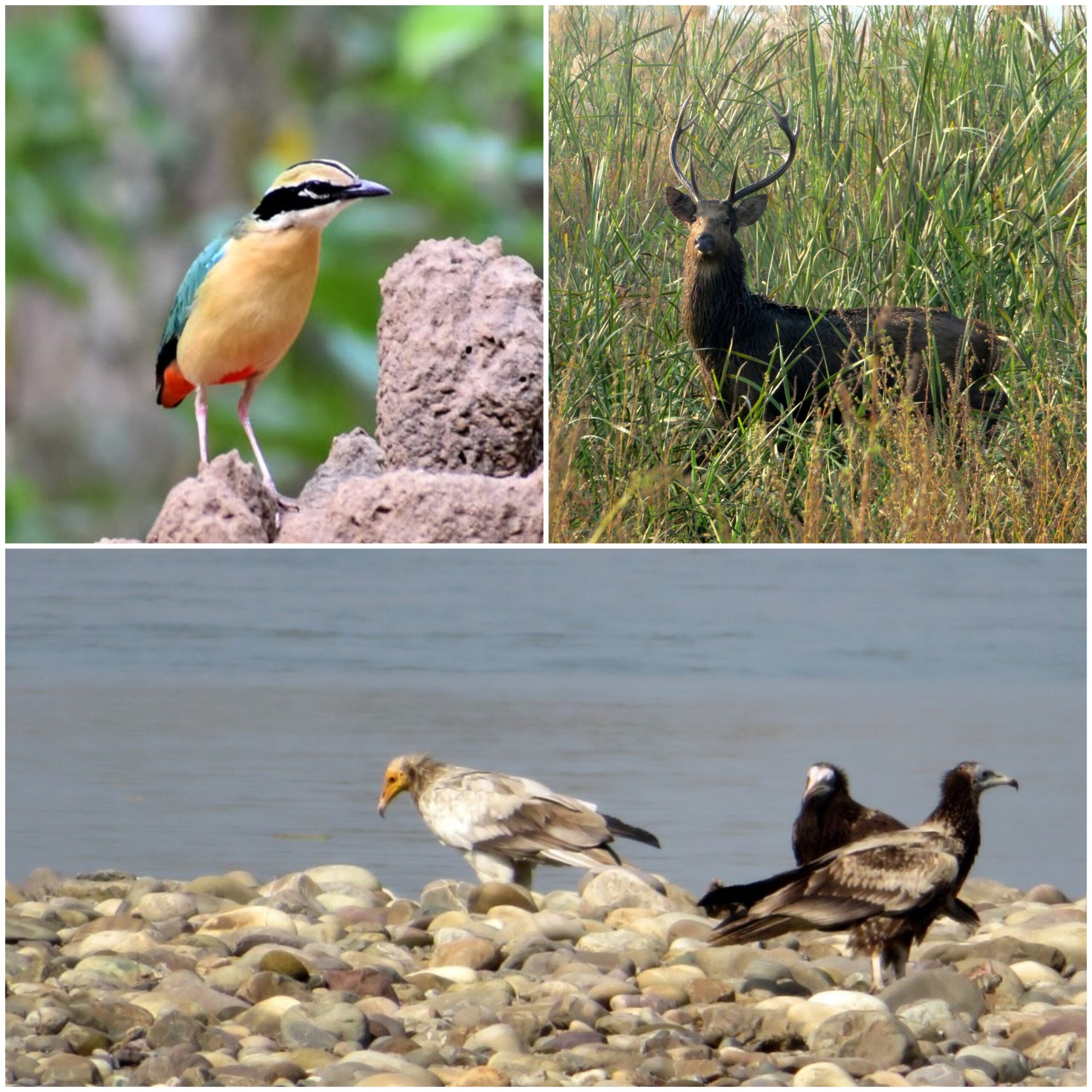 Clockwise from top left: Indian Pitta; Sambar; Egyptian Vulture (Pictures taken in Jhilmil Jheel Conservation Reserve, Haridwar, Uttarakhand)
I later pursued my doctoral research at the Wildlife Institute of India, Dehradun, Uttarakhand, under the supervision of Dr. Ramesh Krishnamurthy. My PhD research examined the avian community structure of Jhilmil Jheel Conservation Reserve, a wetland located along the Ganges in Haridwar district, Uttarakhand. The study analysed spatial and temporal variations in bird species composition across multiple habitat types, including riparian and wetland-associated habitats, grasslands, scrublands, mixed deciduous forests, plantations, and agricultural fields. The findings highlighted the conservation importance of small protected areas such as Jhilmil Jheel, demonstrating that even relatively small forest patches play a crucial role in sustaining biodiversity. This research was carried out as part of the project “Developing Conservation Plans for Select Important Bird and Biodiversity Areas in India” by the Salim Ali Centre for Ornithology and Natural History, under the supervision of Dr. Rajah Jayapal. I also got a chance to work with Prof. Trevor Price (University of Chicago) in Khangchendzonga National Park, gaining hands-on experience in identifying bird songs under his guidance and that of Dr. Pratap Singh.
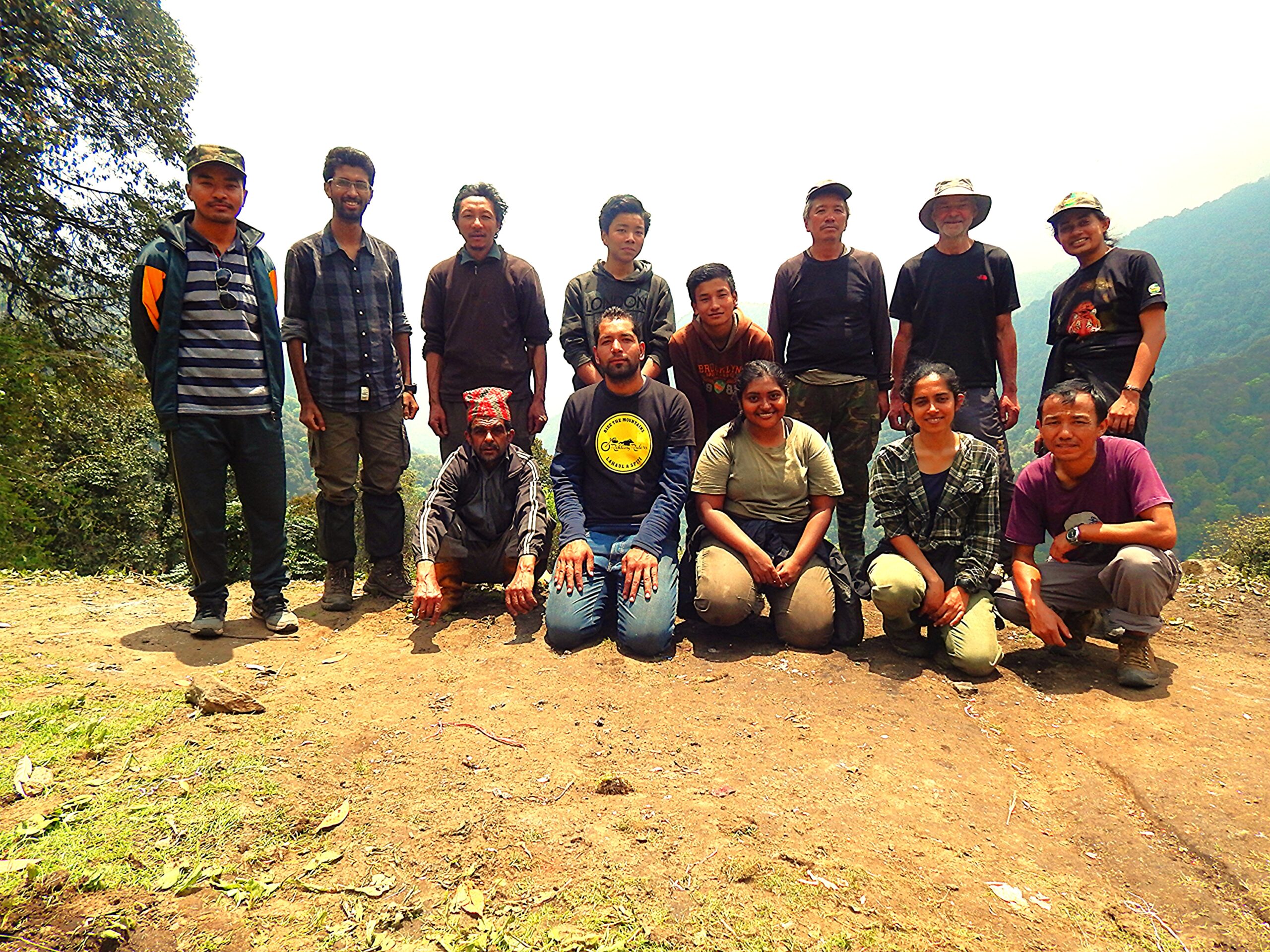 Group photo with Prof. Trevor Price and team members, Khangchendzonga National Park, Sikkim
I currently serve as a freelance Environmental Consultant. My role spans biodiversity assessment, ecological restoration, soil and moisture conservation, addressing human–wildlife conflict, designing green-belt and promoting agroforestry initiatives.
I love what I do because:
I most enjoy fieldwork and understanding the intricate relationships between animals and their habitats. Exploring these animal–habitat associations is essential for promoting long-term human-wildlife coexistence. I am particularly interested in how different bird species are linked to specific trees and habitats, and in understanding the ecological importance of often-overlooked ecosystems such as grasslands and scrub habitats.
I am equally fascinated by the role of microhabitats such as dead branches, tree cavities, and rot holes in supporting diverse forms of life. Fieldwork in remote regions has also given me the opportunity to interact closely with tribal communities, learn how they revere various organisms, and appreciate their deep connection with nature and rich traditional ecological knowledge. Ultimately, I am motivated to understand the threats faced by birds and their habitats and translate these insights into effective conservation actions.
Challenges I have faced..
I have worked across diverse landscapes in India and gained many enriching field experiences, along with numerous challenges that shaped my resilience and preparedness.
While working in the high-altitude regions of the Himalayas, low oxygen levels posed a serious challenge. I experienced this firsthand while trekking at an altitude of around 4,500m during a Snow Leopard Project, when my tongue turned white due to oxygen deficiency. In such conditions, it is recommended to drink plenty of water, consume nuts and chocolates for energy, and allow proper acclimatisation at different elevations before ascending to very high altitudes.
During fieldwork in the Himalayan foothills, I encountered elephants on several occasions, including instances when they charged toward us. In such situations, it is advised to move quickly and retreat in a zig-zag manner to avoid a direct chase.
On a study tour to Perambikulam National Park in Kerala, I was bitten by numerous ticks. It took nearly two days to remove them, and I suffered from skin allergies, itching, and blisters, the effects of which persisted for years. This experience highlighted the importance of removing ticks carefully using forceps to ensure no part remains embedded in the skin, and of bathing thoroughly with disinfectant after returning from fieldwork.
While conducting fieldwork in Khangchendzonga National Park, I suffered insect bites on my face that later developed into red spots. The presence of leeches was another challenge; one fell from a tree onto my head without my notice, and I only realized it when blood began oozing from my scalp. In such cases, the body should be covered as much as possible, leech-proof socks should be worn, and salt can be carried during fieldwork.
In Satpura Tiger Reserve, I was bitten by a larger, blood-sucking fly resembling a housefly. A local remedy used in the forest involved crushing the leaves of Swietenia (locally known as “Ghiriya”) and applying them to the exposed skin to relieve discomfort.
Beyond environmental challenges, I also faced gender-specific difficulties during fieldwork. As a woman working in remote and dense forests, I encountered instances of harassment. Managing fieldwork during menstruation was another challenge, particularly due to taboos and the difficulty of safely disposing of used sanitary products in remote areas. Despite these obstacles, these experiences have strengthened my adaptability and commitment to field-based conservation work.
My advice to young researchers is..
Ecological or Wildlife-based research is often adventurous and rewarding, but it also demands a clear understanding of many challenges. The work can be physically strenuous, and fieldwork in remote or dense forests may mean being without network connectivity for days. Therefore, it is important to develop a thorough understanding of the species and habitats one plans to work in before undertaking such research.
A solid foundation can be built by referring to standard field guides and books, such as Birds of the Indian Subcontinent by Grimmett et al., Jungle Trees of Central India by Pradip Krishen, and other state- or region-specific guides. Online platforms like eBird and iNaturalist are extremely useful for learning, recording observations, and engaging with the wider naturalist community. For bird vocalisations, resources such as Xeno-canto are invaluable. In addition, regularly reading scientific literature related to the area of interest is required to stay updated with current research and methodologies. Selecting the right research papers can be learned by prioritising peer-reviewed journals, well-cited studies, and recent publications, while critically evaluating the study design, sample size, and analytical approaches. As you read, compare findings across studies to identify patterns, limitations, and unanswered questions. This process will help you recognise research gaps and refine meaningful research questions for your own work.
Regular and sustained fieldwork is essential for developing observational skills, whether one is studying birds or other taxa. It is advisable to go into the field with a companion, especially for safety and shared learning. Participating in citizen science initiatives, bird festivals, and nature camps can further enhance learning by providing hands-on field exposure, opportunities to interact with experienced researchers and naturalists, and a deeper understanding of species identification, ecology, and conservation challenges. Patience is perhaps the most important quality for anyone pursuing research in ecology or wildlife studies, as meaningful observations and results take time. Equally important is learning how to respond appropriately to unexpected encounters with wildlife.
Data sorting and analysis can often be challenging and time-consuming. Participating in online workshops, strengthening statistical skills, and seeking guidance from people with expertise in data analysis can greatly help. When it comes to publishing, aim for peer-reviewed journals and be cautious of predatory ones. The publication process can be slow and may involve rejections, but persistence and patience are key to success in research.
Ankita Das (Ph.D.)
[email protected]
Designation- Environmental Consultant
LinkedIn
Very impressive writing
Thank you Ma’am.