
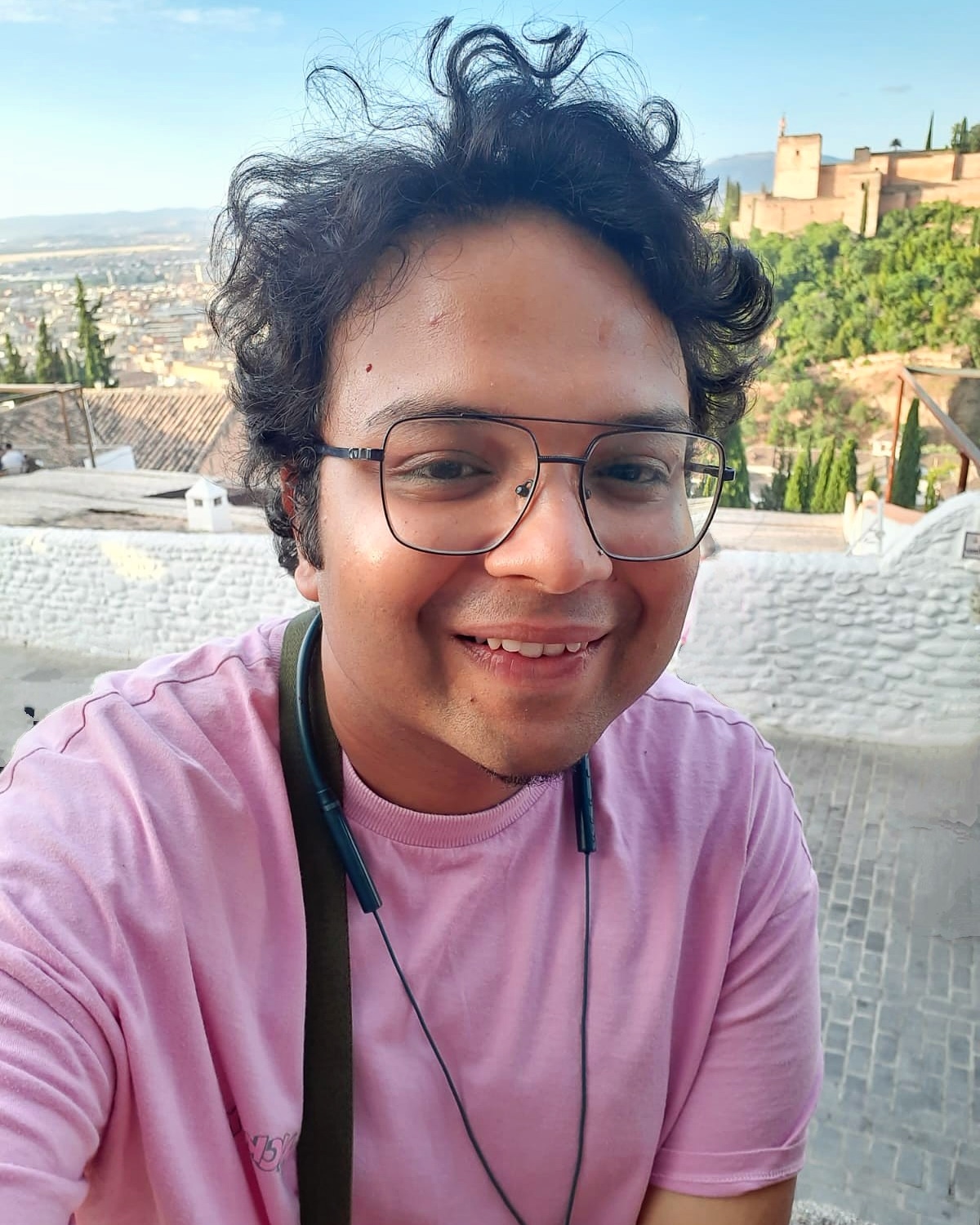
For a wildlife researcher, beyond the rigour of protocols, transects, and data sheets, there exists a quiet, almost sacred thrill, one that comes with encountering a species listed on the IUCN Red List. It is not merely a sighting; it is validation, humility, and responsibility wrapped into a fleeting moment. While working on the grassbirds of Assam and Arunachal Pradesh, with special emphasis on the elusive Swamp Grass Babbler, I gradually came to realize that the northeastern states of India harbour not only immense avian diversity but also stories that shape the very soul of an ornithologist.
Grassbirds, especially in the Northeast, are masters of concealment – reclusive, cryptic, and rarely obliging. As a rookie stepping into the demanding world of field ornithology, I oscillated between nervous anticipation and irrepressible excitement.
Pasighat is a quiet town resting beside the mighty Siang River, near the D’Ering Memorial Wildlife Sanctuary, which became the setting of this journey. Nestled within the folds of the Eastern Himalayas, Pasighat’s magnificence lies not only in its landscape but also in how nature and culture coexist seamlessly. My narrative soon became intertwined with the traditions of the local Adi tribe, the camaraderie of forest staff, the rawness of field research, and above all, my relentless pursuit of a grassbird that preferred silence over song.
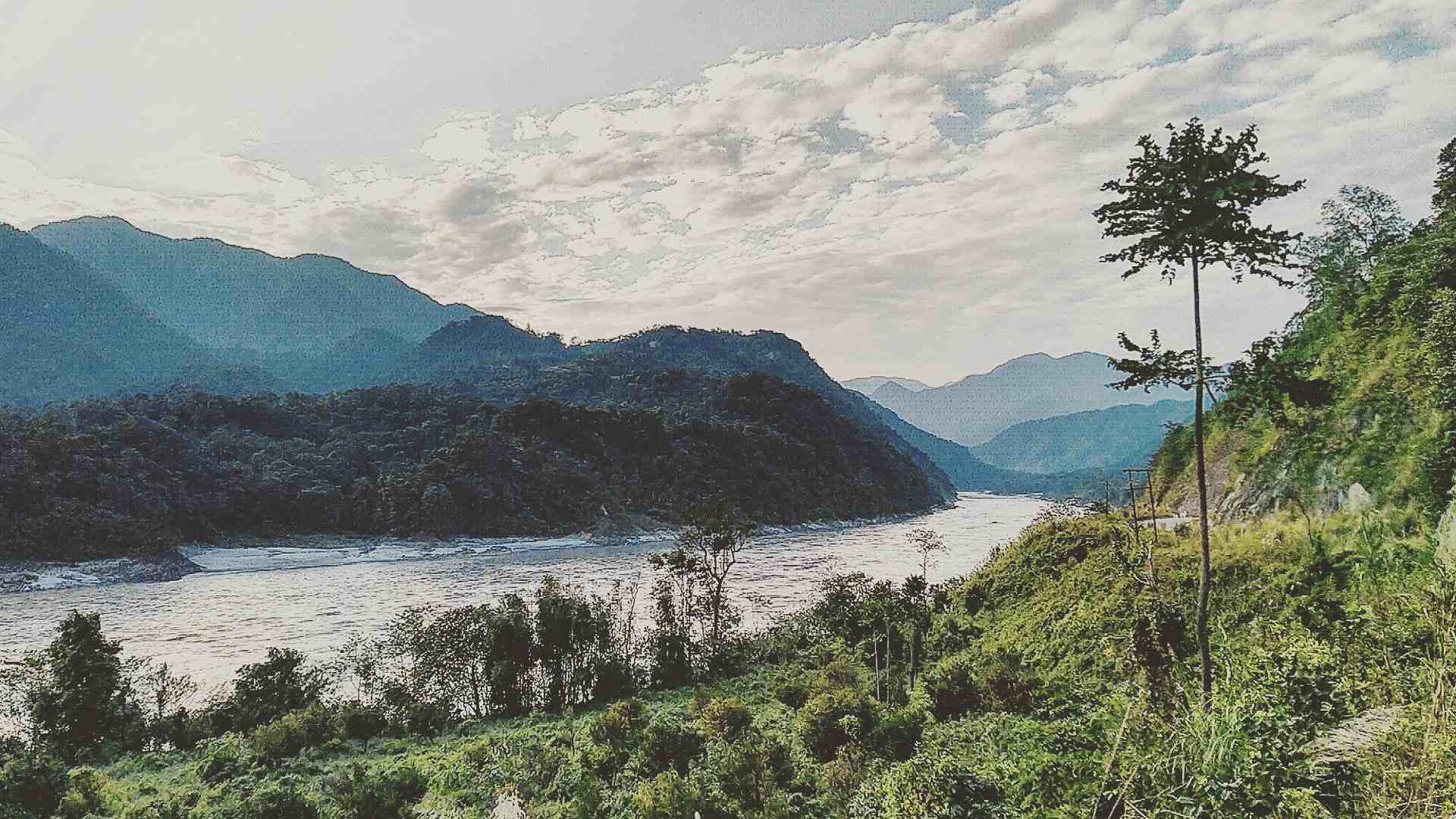 Picturesque view of the Siang River from the hilltop
At the onset of my work, the Divisional Forest Officer extended generous support, arranging accommodation at the forest rest house and helping establish a temporary field station equipped with basic necessities. Across the Siang, behind our station, lay the dense Pasighat Reserve Forest, an ever-present reminder of the wilderness waiting to be understood.
Fieldwork in the Borguli Range of D’Ering introduced me to some of the most remarkable individuals I have known: Range Officers, Forest Guards, and Boatmen whose knowledge of the land was immense. The previous year’s floods had dramatically altered the river’s topography; heavy silt deposition rendered machine boats unusable. Our only means of crossing was the country boat, which was fragile, unpredictable, and perilous against the river’s powerful current.
Reaching the grasslands often meant wading through DalhDalh, a deceptive, muddy expanse where one wrong step could sink you waist-deep. The forest guards and boatmen always led the way, instinctively knowing where to place each foot. Sometimes, they would jokingly feign a DalhDalh patch near me, tugging my legs just enough to test my nerves before breaking into laughter. Their humour masked a deep sense of care. They even took it upon themselves to prepare my meals, rice, pulses, omelettes, and occasionally homemade fish pickle, knowing that exhaustion left little room for cooking after long surveys.
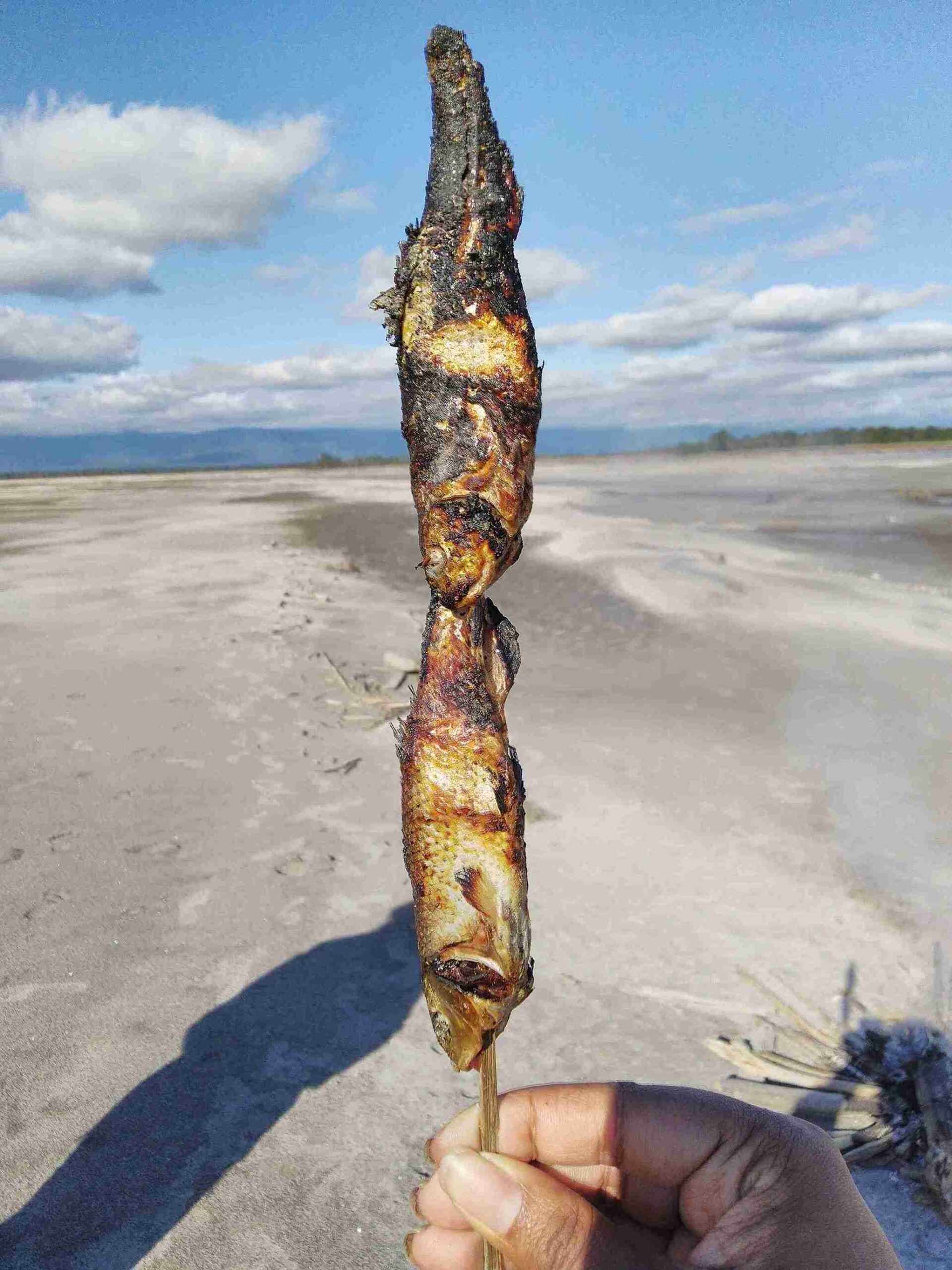 Fresh fried fish from the Siang River for our post-survey lunch
The sanctuary, spread over 194 square kilometers, hosts rare grassland specialists such as Jerdon’s Babbler, Marsh Babbler, Black-breasted Parrotbill, and Striated Babbler. Yet the Swamp Grass Babbler remained absent, and months passed with no visual or acoustic confirmation.
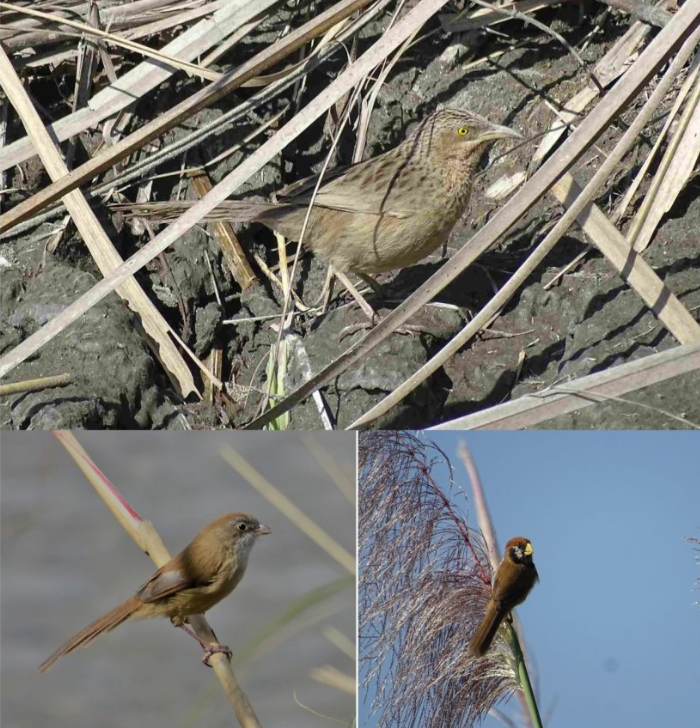 Clockwise from top: Striated Babbler at Sibiamukh Range; Black-breasted Parrotbill at Borguli Range; Jerdon’s Babbler inside grass tussocks
Then one morning, around 8 a.m., inside a dense grass patch, we employed a low intensity playback of the Swamp Grass Babbler’s call (for approved research purposes, in accordance with government guidelines and established protocols for call playback in Northeast India). Suddenly, the same call echoed back from the tussocks: clear, assertive and alive. For a moment, disbelief took over. Though the bird remained invisible, the exchange felt intimate, almost conspiratorial. The Range Officer present that day shared in the exhilaration and reassured me with quiet optimism: “You will see it.”
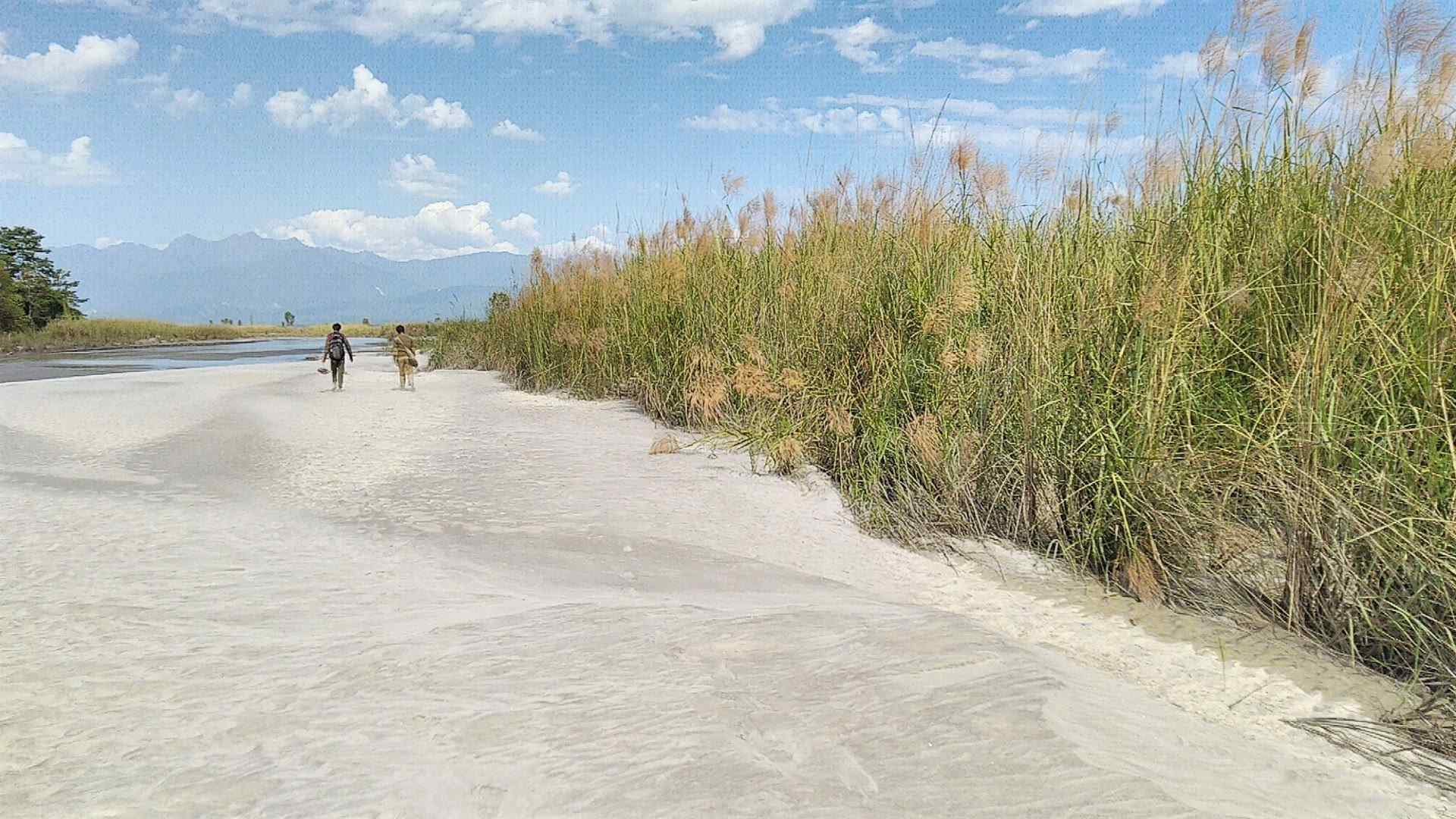 Grasslands of D’Ering Memorial Wildlife Sanctuary
That evening demanded celebration. We bought chicken from the local market and shared dinner under a sky scattered with stars. The night was alive with the calls of Oriental Scops-Owls, the chorus of frogs and crickets, and the distant songs of fishermen anchored mid-river for the night. During my stay, I learned to ride a scooty, often driving up the surrounding hills past orange orchards and cascading waterfalls, stopping to watch the Siang shimmer at sunrise and sunset. From afar, snow-capped Himalayan peaks revealed themselves like a promise. My landlady’s pets, Buggi and Lola, soon became my constant companions.
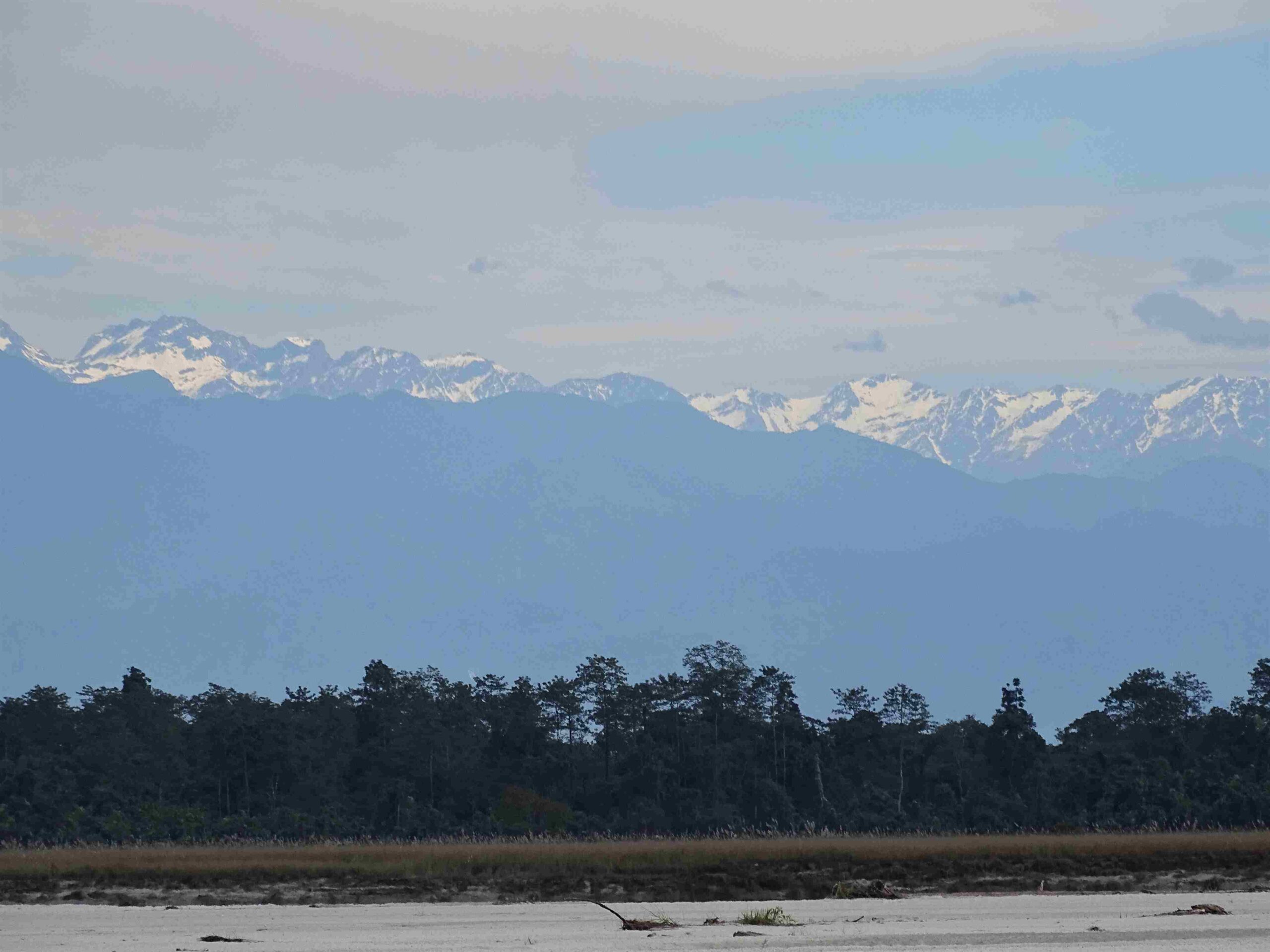 Snow-covered Himalayan Peaks
As the survey period neared its end, anxiety crept in. We proposed and conducted an extended dawn-to-dusk survey, requiring an overnight stay near the sanctuary. Consent was taken from Lomar, the most experienced elder of a nearby Adi village in the Borguli Range. That night unfolded like a living ethnography: an immersion into tribal culture, food, and warmth.
We stayed in a large, unpartitioned hut, clean and earthy, with a simple exterior washroom. Lomar’s family arranged bedding and lit a fire to keep us warm. Before dinner, the men offered local drinks and freshly fried fish, while the women began singing traditional songs. Soon, children danced, laughter filled the space, and we were invited to join, draped in their woven garments to “feel the warmth properly.” It was hospitality in its purest form, and a night I will forever carry with me.
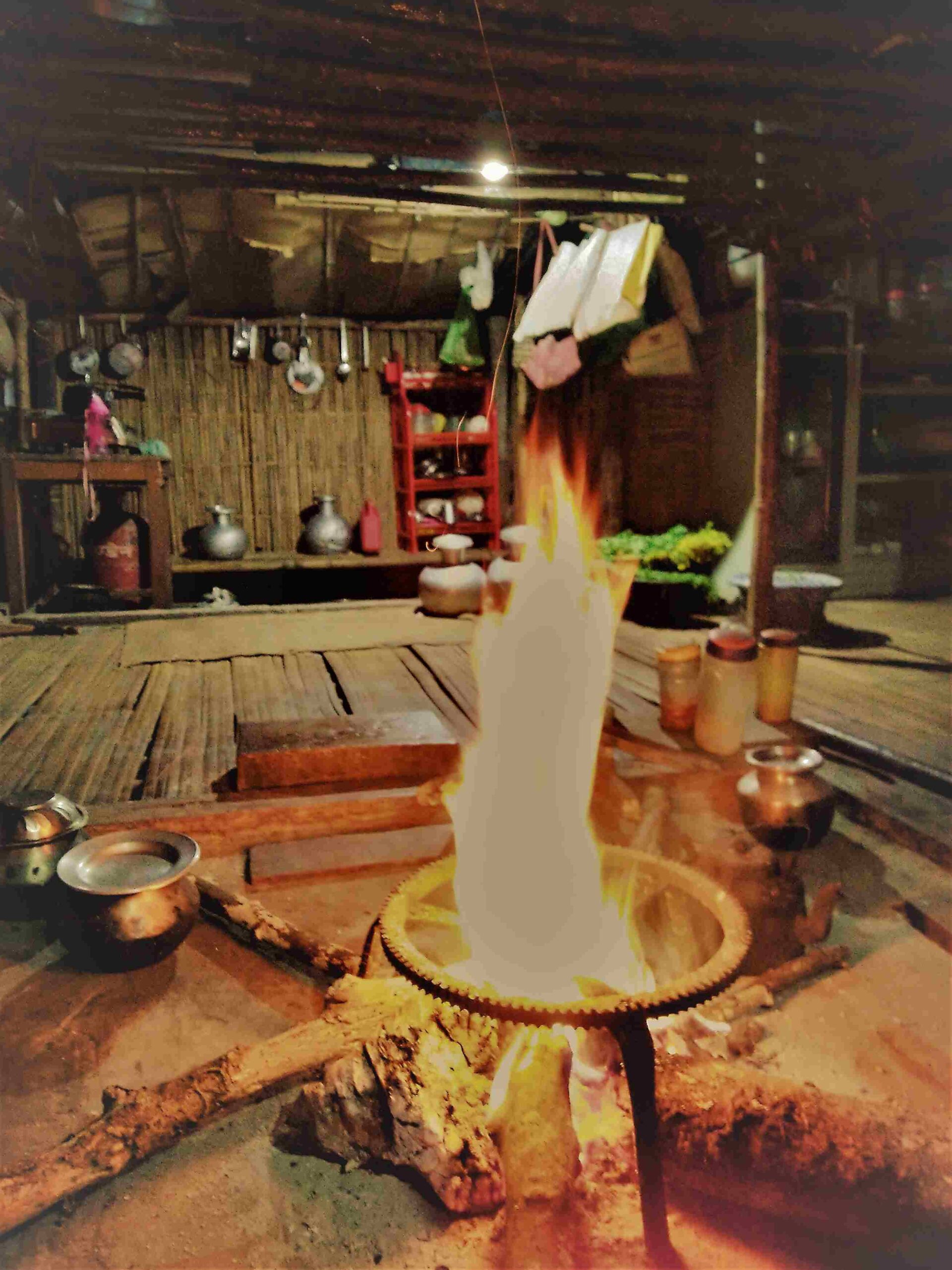 Adi tribe home arrangement at Borguli village
By the end of the Borguli survey, we had recorded Swamp Grass Babbler in multiple grass patches. The final phase took us to the remote Sibiamukh Range.We stayed in a treehouse camp in the forest core area, arranged by forest guards, overlooking the grasslands. At dawn the next day, I encountered the Bengal Florican for the first time, a moment that stilled me completely. Black Storks, Great Thick-knees, Siberian Stonechats, Jerdon’s Babblers, Yellow-bellied Prinias, Zitting Cisticolas, all emerged, one after another, as if the grasslands were offering a farewell gift.
The final morning brought uncertainty. No Swamp Grass Babbler. Seeing my disappointment, the guards quickly planned a last afternoon survey. Despite traversing their ideal habitat, there was no response, until, on the return journey, they stopped the boat at a patch they believed in. “Try once more,” they said.
I played the call.
Thirty seconds passed.
Then, suddenly, the bird burst out of the grass tussocks, singing incessantly – unabashed, present, undeniable. It sang until we left. The guards smiled and said, “It has come to say goodbye and wish you a good future.”
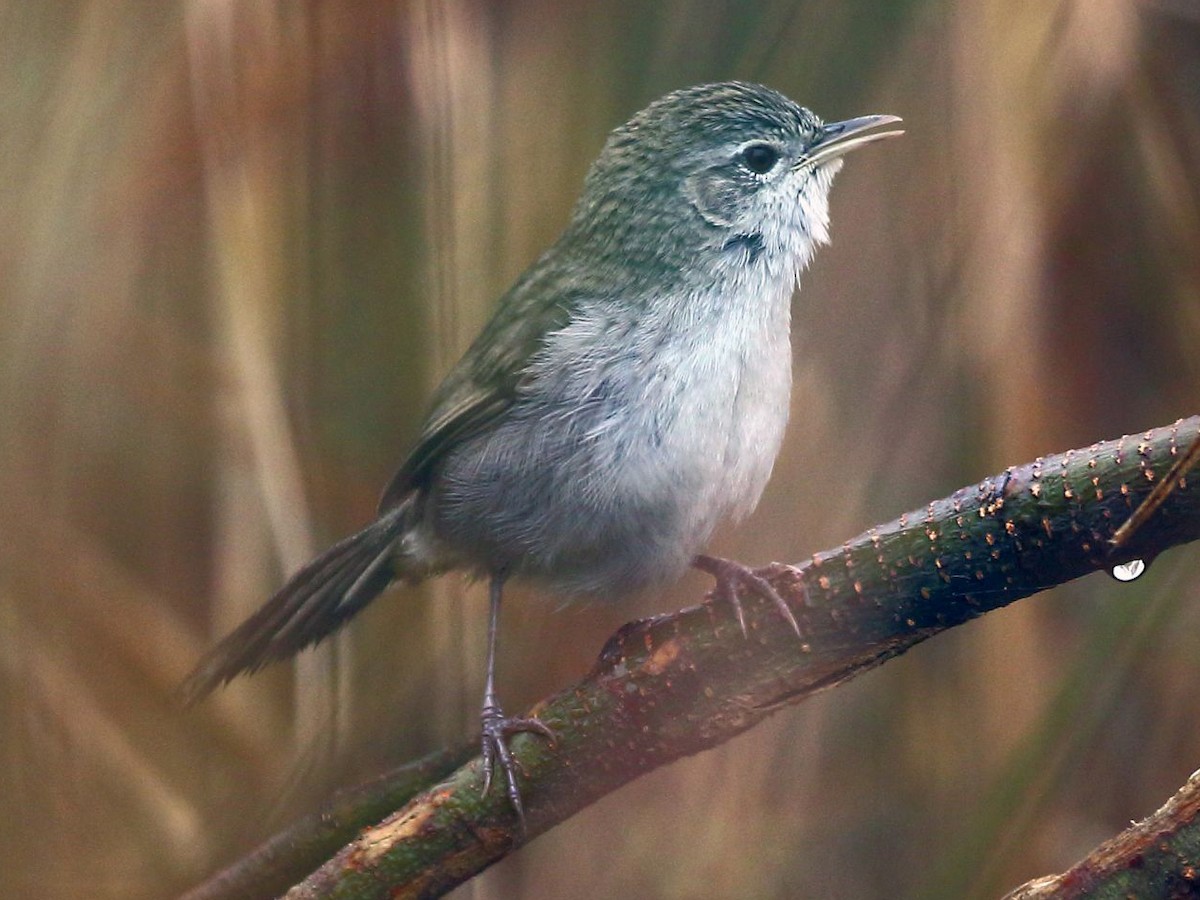 Swamp Grass Babbler (The protagonist of my story) (Credit: Arnab Pal, ebird)
That night, sleep eluded us. From the rooftop terrace, we watched nearby grasslands burn, fires lit casually, sometimes without reason. Each flame threatened nests hidden in tussocks, eggs waiting to hatch, fledglings yet to know flight. Grassbirds are often called Banjara or Bairaagi: wanderers forced to shift from one patch to another, but what of the homes they leave behind?
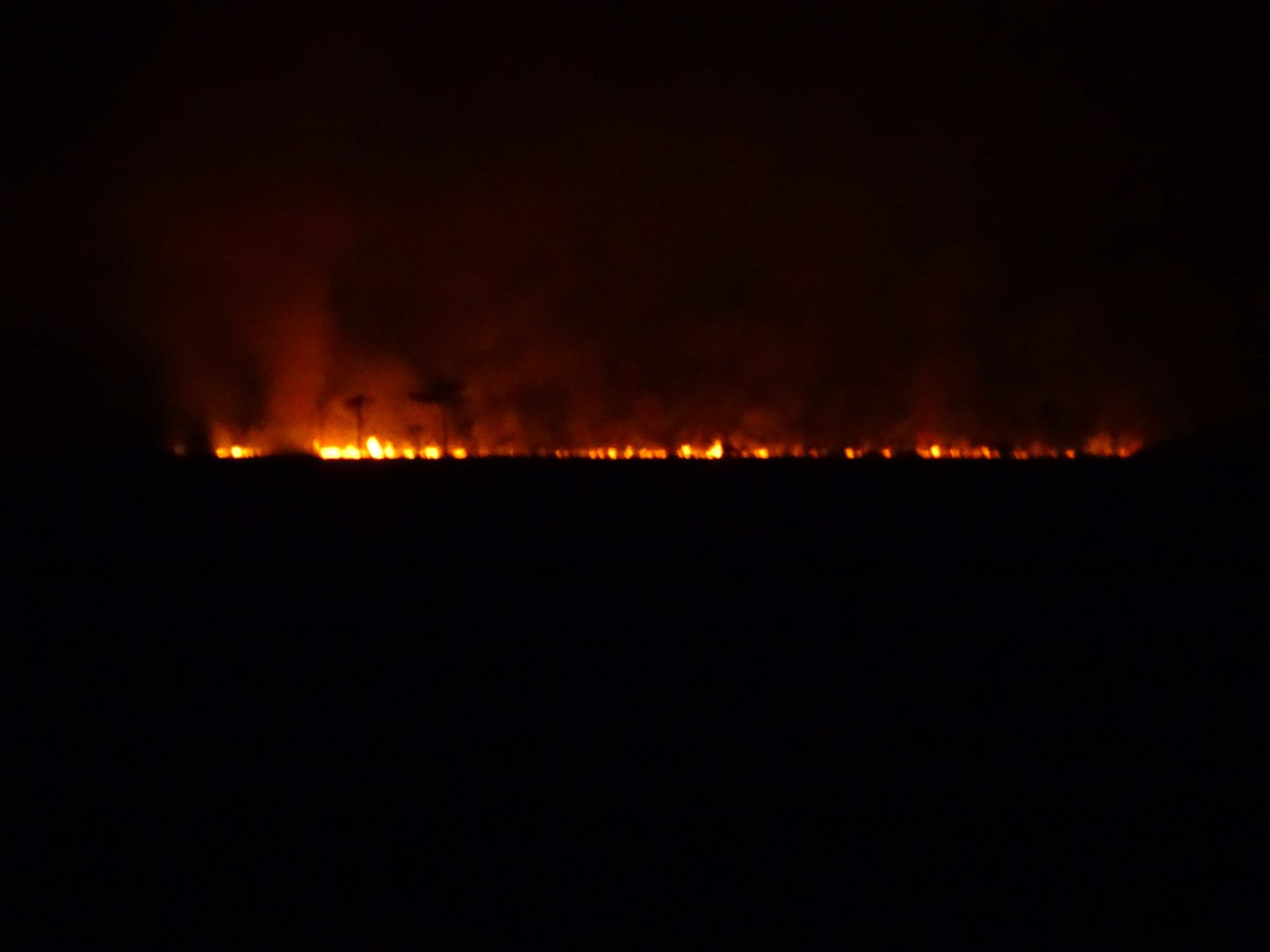 Grassland burning at Sibiamukh Range
My final encounter with the Swamp Grass Babbler did more than complete a survey. It affirmed my place in this field. It taught me patience, humility, and the weight of responsibility that comes with witnessing life that survives quietly, precariously, in a world that often overlooks it.
And somewhere in those grasslands, a bird still sings – unseen, but unforgettable.
This is how my love for birds and nature took shape…
My interest in birds did not begin with books or binoculars, it began with my father.
He is, in every sense, a deeply nature-oriented person. Some of my earliest memories are of watching him rescue injured birds, feed them patiently, and care for them with the tenderness of a parent. He never treated them as possessions. Once they were strong enough, he would release them back into the wild, reminding me without ever saying it aloud that love for nature also means knowing when to let go.
That childhood exposure shaped me profoundly. Nature was never something distant or ornamental in my life; it was something I was allowed to enter fully. My father took me to natural spaces where the earth was unmanicured and honest. I bathed in ponds, played barefoot in the mud, held earthworms without fear, and listened wide-eyed to stories about wildlife that felt as real as family history. Those experiences taught me curiosity before caution and respect before knowledge.
I believe that long before I learned the names of birds, I learned how to notice them. I learned patience by watching, empathy by caring, and wonder by simply being present. Over time, those childhood moments quietly transformed into a deep fascination, first with birds, then with ecosystems, and eventually with science that seeks to understand and protect them.
Looking back, ornithology was never a sudden choice. It was a natural progression of a life that began outdoors, guided by a parent who showed me that nature is not separate from us; it is something we belong to.
Interestingly, birds were not my first academic choice.
After finishing school, I enrolled in Zoology (Honours) for my bachelor’s degree (2012-2015) from Asutosh College, University of Calcutta (where I was drawn broadly toward wildlife and conservation biology). At that stage, my interests were still wide and exploratory. During my master’s (2015-2017) in Zoology from Ballygunge Science College, University of Calcutta, I was formally introduced to birdwatching and bird identification and to be completely honest, I did not enjoy it initially. I found bird identification overwhelming: too many species, too many calls, too many subtle differences. I clearly remember thinking that I would work on anything but birds.
But fieldwork has a way of changing minds.
My first master’s project, conducted in Kolkata, involved birds, and it was here that I began learning the fundamentals of avian field data collection. While I struggled with names and identification at first, repeated exposure slowly replaced frustration with familiarity. What once felt chaotic began to make sense.
A turning point came during my internship at the Wildlife Institute of India (WII) in mid-2017, where I was posted in Pauri Garhwal, Uttarakhand. Immersed in Himalayan landscapes, I was exposed to a diverse assemblage of bird species across habitats. Identification no longer felt like a task, and it became a puzzle I wanted to solve. Each successful identification felt earned.
This transition deepened further when I moved to the forests of North Bengal. Here, I began identifying birds confidently and consistently, developing a sharper eye for behaviour, habitat associations, and calls. By the time I joined Salim Ali Centre for Ornithology & Natural History (SACON) in December 2017, my interest had matured into clear research intent.
At SACON, I worked on two endangered species – Black-bellied Tern & Swamp Grass Babbler. Working closely with these birds across multiple landscapes transformed curiosity into commitment. The Chambal landscape brought its own challenges – intense heat, logistical constraints, and constant awareness of crocodiles, while Assam and Arunachal Pradesh offered an entirely different, richly complex field experience. Each region demanded adaptability, patience, and respect for both species and people.
Through observing these birds closely, understanding their vulnerabilities, and engaging with their habitats, I found myself genuinely falling in love with avian research, not romantically, but intellectually and ethically. Birds stopped being “difficult to remember” and became powerful indicators of ecosystem health, resilience, and fragility.
By the end of these experiences, I was certain that ornithology was not just an interest but a direction I wanted to pursue rigorously through research. What began as reluctance evolved into fascination, and ultimately into a desire to contribute meaningfully to the conservation and scientific understanding of birds.
My interest in urban ecology began earlier, in 2019, when I started working with the Bombay Natural History Society (BNHS). Along with my two close friends and colleagues, Mahasweta and Akshata, we conceptualized and developed a research framework to study bird communities across Mumbai and Navi Mumbai. We designed the methodology and project objectives to sample across diverse urban habitats, ranging from dense built-up areas to wetlands and peri-urban green spaces and collected data on both terrestrial and water birds along with key habitat covariates.
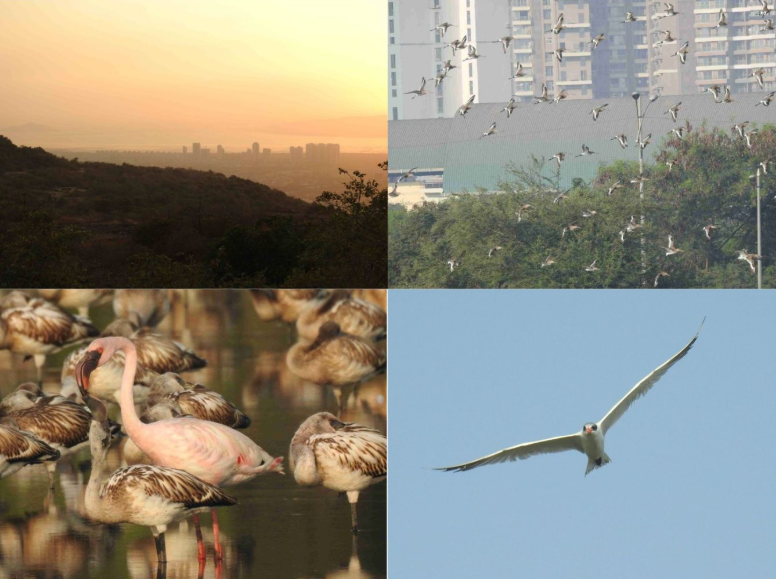 Clockwise from top left: View of Navi Mumbai from Chapewadi hilltop; Flock of Black-tailed Godwit inside the bustling cityscape; A Caspian Tern in flight against the city skyline; Lesser Flamingo feeding its chick at NRI Wetland, Seawoods, Navi Mumbai
That experience made me realize how complex and underexplored tropical urban systems are and shaped my current research interest. I am currently working on avian urban ecology and human-nature interactions in Indian cities, which is also the central theme of my PhD project at the University of Granada, Spain. In my PhD work, I am investigating how bird species diversity and community composition vary, and how species traits mediate sensitivity or adaptability to urban environments. I am fortunate to be supervised by Prof. Juan Diego Ibáñez-Álamo, a highly respected urban ecologist and ornithologist in Spain and Europe. His guidance has strongly shaped how I think about urban ecological systems and interdisciplinary research.
In parallel, I study human-bird interactions in urban settings, examining how city residents perceive urban birds and the ecosystem services they provide, and how these perceptions influence conservation attitudes and behaviours. As urbanization continues to reshape human relationships with nature, understanding these socio-ecological dynamics is crucial for designing cities that are not only sustainable for humans but also hospitable for biodiversity.
Overall, my work aims to bridge ecology and society, contributing to evidence-based urban planning and conservation strategies that recognize birds as key indicators of urban ecosystem health and as ambassadors for reconnecting people with nature.
I love what I do because…
What I enjoy most about my work is that it allows me to connect deeply with both birds and people.
I genuinely love watching birds, being in the field at dawn, listening to calls emerging from the landscape, and slowly understanding how species use space and respond to their environment. Fieldwork is where I feel most grounded and alive. Exploring new habitats, whether remote grasslands, forests, wetlands, or dense cities, constantly reminds me how diverse and adaptive avian life is, and how each ecosystem tells its own ecological story.
But what fascinates me equally is working with people. Through my research on human-nature interactions, I enjoy engaging with communities, learning about their lives, and understanding how their upbringing, socioeconomic background, and daily environment shape how they perceive birds and nature. These perceptions directly influence conservation values and behaviours, and I find that human psychology is as complex and revealing as ecological patterns.
This combination of observing birds in their habitats and understanding how humans relate to them makes my work deeply fulfilling. It allows me to study conservation not just as a biological problem, but as a social and cultural process. That interdisciplinary perspective is what excites me most and keeps me motivated as a researcher.
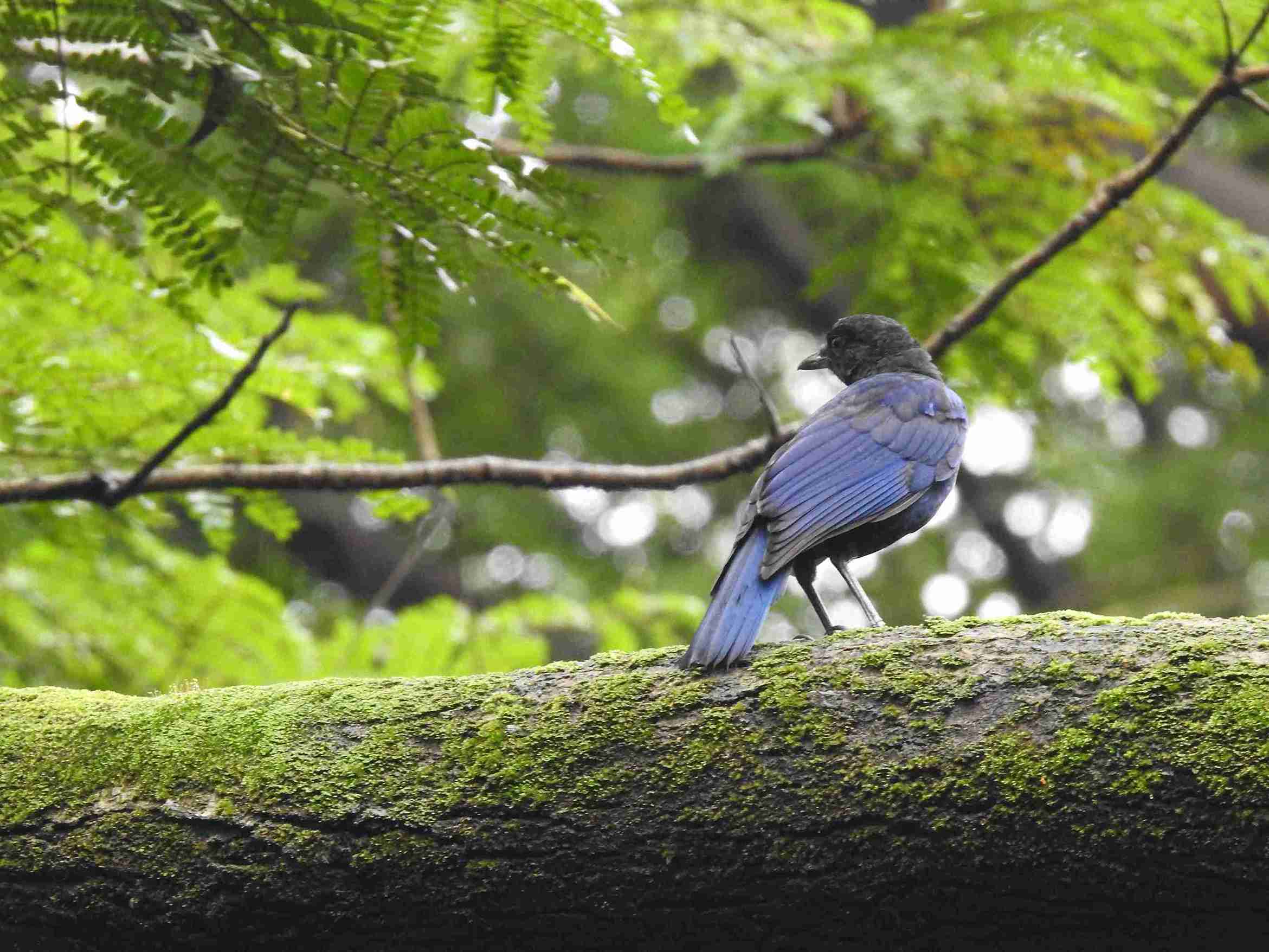 Malabar Whistling-Thrush posing at Karnala Wildlife Sanctuary
Since 2022, I have been actively involved in nature education, working with urban communities, especially school children across different parts of India. In collaboration with national and international organizations engaged in environmental education, I help create learning experiences that combine ecological science with observation and curiosity. These interactions nurture ecological awareness, critical thinking, and empathy in young minds, who are ultimately the future stewards of conservation. Teaching and learning alongside them is both a responsibility and a deeply fulfilling experience.
Challenges I have faced…
Fieldwork, especially in urban environments, is both rewarding and challenging in many ways. One of the most immediate challenges of working with city birds is social visibility. Unlike remote field sites, urban fieldwork happens in public spaces. Carrying binoculars, cameras, and datasheets often attracts attention – people question you, stare, follow you, or interrupt surveys. While many interactions are curious and friendly, some can be intrusive and uncomfortable, and maintaining focus during behavioural observations or point counts become difficult. Learning to navigate public curiosity while protecting personal space has been an important part of my field training.
Another challenge I faced earlier in my career was navigating power dynamics in academia and field teams. As an early-career researcher, I encountered situations where senior colleagues expected me to conform to certain behavioural norms, often aligned with conventional cis-male field culture. These experiences were emotionally challenging and created anxiety, and at times made it difficult for me to fully enjoy fieldwork.
However, these challenges shaped me in important ways. They strengthened my resolve to create inclusive, respectful, and safe research environments, and to advocate for professionalism, equity, and compassion in field science. They also taught me resilience and the importance of setting boundaries while continuing to pursue scientific excellence.
Today, these experiences motivate me to support students and colleagues, especially those from underrepresented backgrounds, and to contribute to a more inclusive ornithological community where diverse voices and identities are valued.
My advice to young researchers is…
My biggest advice is to be exactly the way you are. Science does not need a template version of you. It needs your curiosity, your empathy, your stubbornness, and your unique way of seeing birds and the world.
Be compassionate towards birds, ecosystems, field assistants, collaborators, and especially towards yourself. Ornithology is not just about identifying species; it is about understanding lives, landscapes, and stories.
Stay hungry for learning. Bird calls will confuse you; species will blur together; papers will overwhelm you and that’s normal. Curiosity is the fuel that keeps you in this field when everything else feels exhausting.
Develop patience and perseverance. Fieldwork will test your body, your mind, and sometimes your dignity. Identification skills come slowly, grants get rejected, manuscripts get shredded by reviewers. Perseverance is not optional- it is the field gear you carry inside you.
Now for the honest part (with love):
A PhD is tough. Sometimes it is chaotic, lonely, and emotionally messy. But I always ask myself – isn’t it better to be messed up by something you deeply love and value? I would rather struggle with birds, conservation, and research than be comfortable doing something that doesn’t move me.
Don’t try to fit into a stereotype of a “perfect scientist”. You don’t have to be loud, stoic, hyper-masculine, hyper-competitive, or endlessly confident. Science needs softness, diversity, humour, and kindness.
And finally, don’t forget to enjoy birds as birds, not just as data points, not just as publications. Let yourself feel joy when a Swamp Grass Babbler sings back, when a Bengal Florican lifts from the grass, or when a House Sparrow chooses your balcony as home. That joy is your lifelong motivation.
Sarbasis Dutta
[email protected]
PhD Student
Department of Zoology
University of Granada, Spain
Instagram
LinkedIn
Amazing!
Very insightful… Best of luck
Great 👍
Congratulations